Earnings steady, but global shocks yet to reflect fully
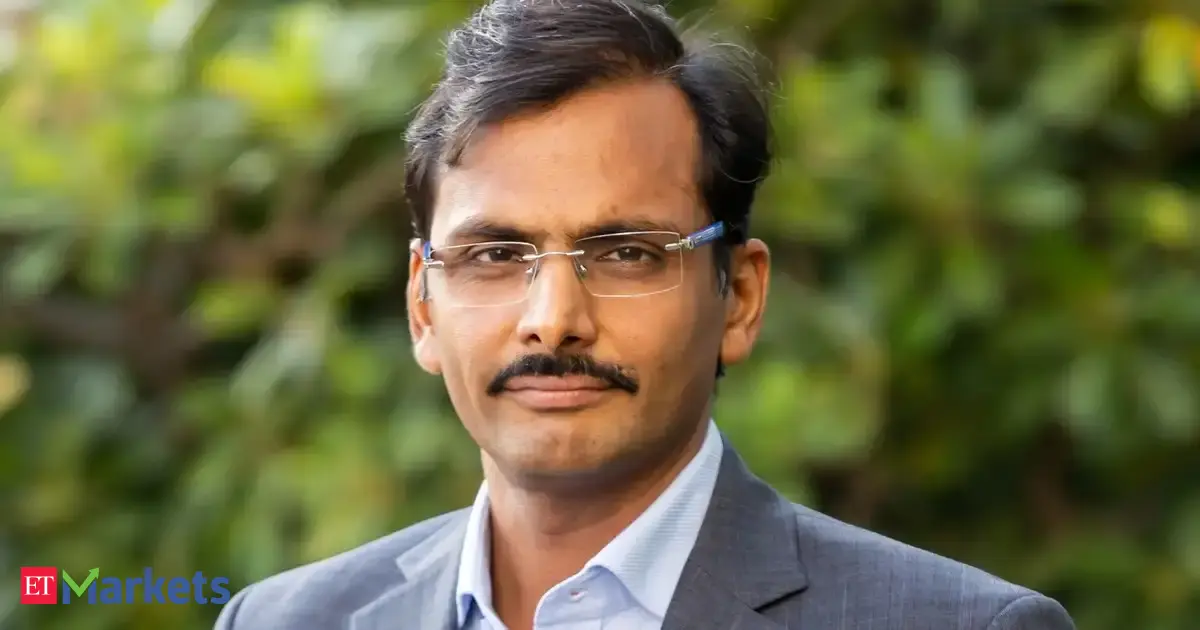
Responding to concerns around earnings momentum and near-term market direction, Khemani noted that while corporate results have broadly held up, the real impact of global disruptions is still ahead.
“Earnings have been by and large okay but that was more the effect was before the war. The impact of the war is yet to be felt in the energy prices, supply chain disruptions, all those things in my opinion will be felt in Q1 earning and to that extent market is well prepared for that. I do not think market is really expecting any spectacular earning in Q1 and I think that at this point in time broadly everything looks alright except the fact that our energy bill which is very high, very dependent on the war getting over, oil prices coming down,” he said.
He added that inflation, interest rates, currency movement, and even US yields are all linked to the trajectory of energy prices.
“No major fall, but a prolonged drag” scenarioOn whether markets could see a sharp correction, Khemani was relatively reassuring.“I do not expect much fall to be honest unless something again worsens in the oil, escalates like I said the single biggest factor right now which is playing on everybody’s mind and on the economic front as well is the energy price, so it will just hang in there.”He also pointed to improving global supply expectations, including potential diplomatic developments and increased oil availability, which could stabilise prices.
India’s macro resilience remains intactDespite global headwinds, Khemani remains constructive on India’s domestic growth story.
“If you see last quarter’s number across the board, volume growth has been very good in consumer, in automobiles, in insurance premiums, credit growth all those things are pointing towards the right direction. Our investment cycle has really held on and I do not think that is changing anytime in a hurry.”
He emphasised that while cost pressures and supply chain disruptions persist, there is no structural break in India’s growth trajectory.
Manufacturing and capex themes still strongAddressing concerns around rising freight costs and global instability, Khemani reaffirmed his long-term faith in structural themes such as manufacturing.
“In fact, some of the plays on manufacturing side turns out to be good because of the currency depreciation. Demand drivers get stronger because every crisis also has a positive side of it… exporters do tend to benefit and they do tend to get volume growth compete better.”
He reiterated that the India growth story remains intact despite short-term macro pressure.
Mid and smallcaps: stock-picking is keyOn mid and smallcap opportunities, Khemani stressed that the real alpha lies in bottom-up selection rather than index-level assumptions.
He said: “We are fully invested. Every sector if you see has large, mid, and smallcap segments… we are able to identify companies which can double their earning in three to four years’ time directionally and looks good.”
He highlighted opportunities across manufacturing, pharma, CDMO, BFSI, and even select IT names.
IT sector: contrarian opportunity emergingKhemani noted that sentiment in IT is gradually shifting, potentially creating a contrarian entry point.
“In my opinion probably time has come where the narrative in IT is changing… IT is not going to go away because of AI… so I think that could be a sector which could be there.”
He pointed out that valuations remain reasonable and earnings growth could stay in the mid-teens range.
Pharma and healthcare: still a bottom-up storyOn pharma, he remained positive but cautious about broad-based calls. “It has always been bottom up. I mean, we still remain very positive on the pharma, CDMO, or healthcare space… but yes, I think still lot rally left.”
NBFCs: stock-specific approach criticalDiscussing NBFCs, Khemani emphasised selectivity, highlighting his fund’s exposure to Aditya Birla Capital.
“Aditya Birla Capital is one of our largest holding has been 3.5x in last three years… we invested in Aditya Birla Capital when it was Rs 100 one time book… so it is again more stock specific bottom up.”
On rising global market returns and investor FOMO, Khemani offered a strong counterview.
“I think it is a very in my opinion stupid idea to look for invest or diversify out of FOMO. It is very natural recency bias plays as a very big bias in every investor’s mind.”
He stressed that India has historically been one of the strongest long-term equity performers and diversification should be goal-based, not trend-driven.
OutlookKhemani’s overall message is clear: markets are not on the verge of a major breakdown, but neither are they poised for a straight-line rally. The key variable remains energy prices, which will influence inflation, rates, currency, and global risk appetite.
Until that stabilises, markets may remain in what he calls a “holding pattern” — resilient, but restrained.