While U.S. Secretary of State Marco Rubio told reporters there had been “some good signs” in talks with Iran, he also said a diplomatic deal would be unfeasible if Tehran implemented a tolling system in the Strait of Hormuz, a key oil transit route. Earlier, a Reuters report signaled a hardening stance from Tehran, with Supreme Leader Ayatollah Mojtaba Khamenei issuing a directive that uranium should not be sent abroad. However, President Donald Trump said the U.S. will eventually recover Iran’s stockpile of highly enriched uranium, which Washington views as weapons-related, while Tehran maintains it is for peaceful use.
Jason Pride, chief of investment strategy and research at Glenmede, said volatility was driven by geopolitical speculation. He noted that with earnings season largely over, market focus has shifted back to Iran, leaving sentiment sensitive to headlines and potential deal developments.
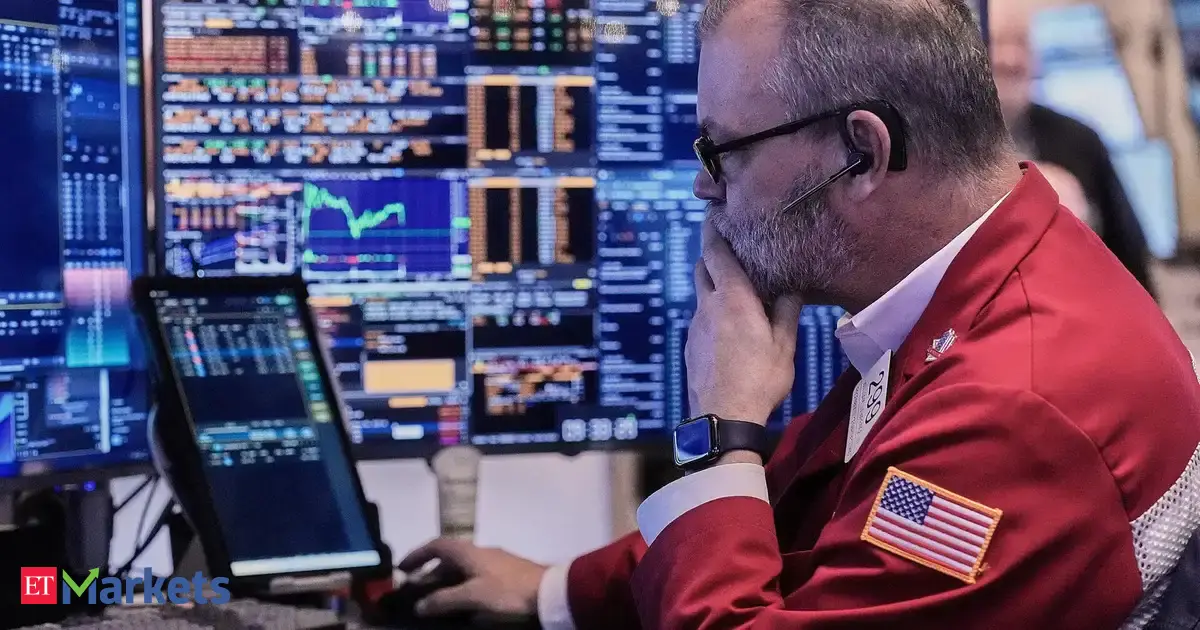
According to preliminary data, the S&P 500 gained 11.54 points, or 0.16%, to 7,444.51, while the Nasdaq Composite rose 25.82 points, or 0.09%, to 26,296.18. The Dow Jones Industrial Average climbed 278.91 points, or 0.56%, to 50,288.26.
Marc Dizard, chief investment officer at Huntington Wealth Management, said markets remain sensitive to every geopolitical headline, though the fragile ceasefire appears to be holding and an off-ramp remains possible. He added that the extent of progress between the U.S. and Iran remains unclear even to most investors.
Investors also reacted to corporate earnings. Walmart shares fell after it forecast second-quarter profit below estimates and maintained its annual targets, citing pressure from high fuel prices and potential retail inflation if costs stay elevated.Among S&P 500 sectors, consumer staples led losses, weighed down by Walmart and other retailers including Casey’s General Stores and Costco Wholesale. Nvidia also declined as investors booked profits following its strong outlook and share buyback announcement, amid concerns about rising competition from Intel and AMD.In economic data, jobless claims fell, signaling labor market resilience and supporting expectations that the Federal Reserve may stay focused on inflation risks. U.S. manufacturing activity also rose to a four-year high in May, driven by inventory building amid supply and price concerns linked to the Iran conflict.
Among other movers, IBM gained on news of U.S. government-backed investment in quantum computing ventures, including a new IBM project. GlobalFoundries and several quantum computing firms also rose. Intuit shares dropped after cutting its TurboTax revenue forecast and announcing workforce reductions.