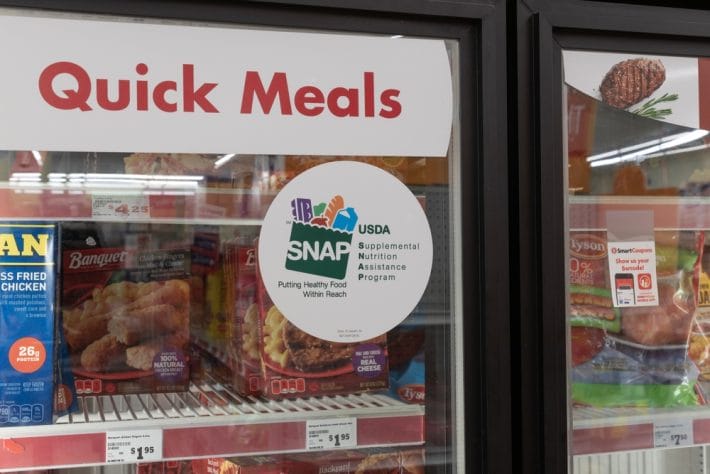
Millions of Americans who rely on SNAP benefits are now facing major changes at the grocery store checkout line. Several states have begun restricting the purchase of candy, soda, and other sugary items through the Supplemental Nutrition Assistance Program, marking one of the biggest shifts in food assistance policy in decades. Supporters argue the rules encourage healthier eating habits and reduce taxpayer funding for ultra-processed foods linked to obesity and diabetes. Critics say the new SNAP restrictions create confusion, stigmatize low-income families, and make grocery shopping more stressful for people already struggling financially. As more states apply for federal waivers, many families are wondering whether these SNAP restrictions are about to spread nationwide.
Four States Have Already Implemented SNAP Restrictions on Sugary Foods
Indiana, Iowa, Idaho, and Utah are among the first states to actively roll out SNAP restrictions targeting soda, candy, and sugary beverages in 2026. Indiana’s waiver blocks soft drinks and candy purchases using SNAP benefits, while Idaho’s rules restrict soda and candy as well. Iowa adopted one of the broadest approaches by restricting many taxable food items, effectively banning SNAP purchases for soda, candy, and several snack products. Utah initially debated banning both soda and candy but ultimately focused first on sugary soft drinks after lawmakers struggled to define what legally qualifies as candy.
More States Are Preparing Similar SNAP Restrictions
The four-state crackdown may only be the beginning. USDA-approved SNAP restriction waivers now extend to states including Arkansas, Texas, Louisiana, Missouri, Nebraska, North Dakota, South Carolina, Tennessee, and others planning phased rollouts through 2028. Some states are banning only soda, while others are restricting candy, energy drinks, sweetened beverages, and prepared desserts. Arkansas, for example, plans to prohibit SNAP purchases for sugary drinks, candy, and certain sweetened beverages beginning July 1, 2026. Federal officials say the waiver programs are being treated as pilot programs to evaluate whether restricting unhealthy foods improves public health outcomes.
Grocery Stores and SNAP Users Say the Rules Are Confusing
One major problem with the new SNAP restrictions is inconsistent enforcement and confusing product definitions. In some states, products like KitKat bars remain eligible because they contain flour, while other chocolate products are banned. Some flavored sparkling waters, sports drinks, and electrolyte beverages are restricted in certain stores but allowed in others, depending on how retailers interpret the rules. Retailers worry about accidentally violating SNAP rules and potentially losing authorization to accept EBT payments altogether. SNAP recipients have also reported embarrassment at checkout after learning certain items were suddenly ineligible without clear explanations from stores or state agencies.
Supporters Say SNAP Restrictions Promote Better Health
Advocates for SNAP restrictions argue that taxpayer-funded nutrition programs should encourage healthier food choices. Health Secretary Robert F. Kennedy Jr. and several Republican-led states have promoted the restrictions as part of broader efforts to combat obesity, diabetes, and chronic illness. Some nutrition experts believe sugary beverages are among the easiest products to target because they provide little nutritional value while contributing heavily to obesity and metabolic disease. Several lawmakers also argue that SNAP was originally intended to support nutrition and basic food security rather than processed snacks and soft drinks. Supporters point to rising healthcare costs linked to diet-related illnesses as justification for limiting sugary purchases through public assistance programs.
Critics Warn the Restrictions May Hurt Low-Income Families
Opponents of the SNAP restrictions argue the policy unfairly targets poor families while leaving wealthier Americans free to purchase the same products without government oversight. Anti-hunger organizations say many SNAP recipients already stretch benefits carefully and often buy restricted products only occasionally. Critics also note that SNAP rarely covers an entire household’s monthly grocery budget, meaning families may simply use cash to purchase restricted items anyway. Some recipients report frustration that sports drinks or electrolyte beverages for sick children are now restricted in certain states, even though other processed foods remain eligible. Advocacy groups have already filed lawsuits challenging portions of the SNAP restriction programs in several states, arguing the rules are inconsistent and potentially unlawful.
Could SNAP Restrictions Expand Nationwide?
Many policy analysts believe the current waiver approvals could open the door for much broader federal SNAP restrictions in the future. USDA officials have stated they are closely monitoring the pilot programs to evaluate spending patterns, retailer compliance, and public health impacts. States participating in the programs are expected to provide regular reports tracking complaints, purchasing behavior, and implementation problems. Some lawmakers are already discussing expanding restrictions beyond soda and candy to include heavily processed foods and other ultra-processed products. If federal officials determine the waivers successfully reduce unhealthy purchases, more states may quickly follow with similar SNAP restrictions over the next several years.
The SNAP Debate Is About More Than Soda and Candy
The growing wave of SNAP restrictions is turning into one of the most controversial food policy debates in the country. Supporters believe banning sugary drinks and candy could improve public health and reduce long-term healthcare costs tied to obesity and chronic illness. Critics worry the rules create confusion, shame low-income families, and add unnecessary complexity to a program millions rely on every month. With more states applying for waivers and federal officials studying the results closely, the future of SNAP restrictions may extend far beyond soda and candy.
Do you think SNAP benefits should restrict sugary foods and drinks, or should recipients decide for themselves what to buy? Share your thoughts in the comments below.
What to Read Next
SNAP Shoppers Alert: New Verification Rules Require Selfies & Facial Recognition — Privacy Advocates Are Concerned
The Georgia ‘Gateway’ Update: Why Some Seniors Are Being Shifted Into the State’s Fixed-Income SNAP Review Category This Month
Alabama Alert: New SNAP Work Rules Could Affect 10–12% of Adults Over 55