Mortgage rates ended last week on an optimistic note, as markets were encouraged by news of peace talks between Washington and Tehran.
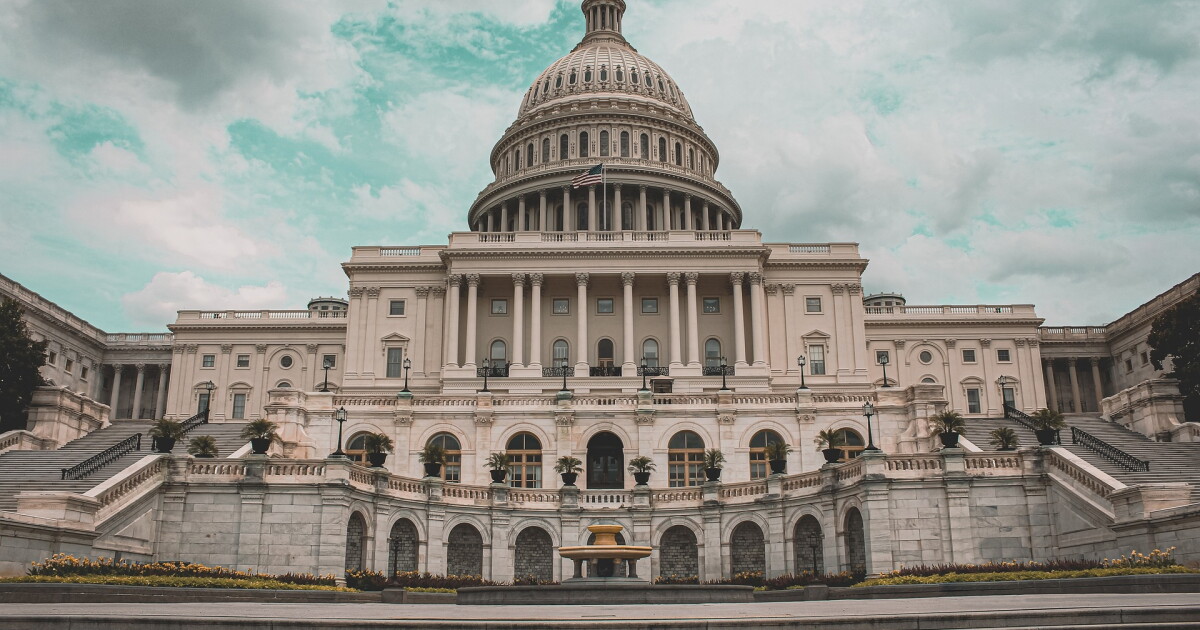
The conversation this week is much more dour. On Wednesday, the Senate blocked another measure to end the war, the seventh put forth by Democrats. Tuesday saw the release of the April consumer price index (CPI), which showed that inflation accelerated at its fastest pace since May 2023. This spike was driven largely by increased energy costs as a result of the conflict in Iran.
Even if the war were to end tomorrow, its effect on the economy — and on borrowers’ ability to buy a home — could linger.
🤓 From the Nerds: Kate on Rates
What will the Fed do about it?
Except … this can be an unpopular move. There’s a sort of “when it rains, it pours” sentiment; consumers might think, “Great, gas and groceries are already skyrocketing, and now interest rates are going up even more.”
“The threat of criminal charges is a consequence of the Federal Reserve setting interest rates based on our best assessment of what will serve the public, rather than following the preferences of the president,” said Powell in January. His term expires on May 15.
While Powell remained steadfast in maintaining the independence of his role, some have questioned whether Trump’s pick to replace Powell, Kevin Warsh, will break this mold.
The Senate confirmed Warsh’s nomination as the new chair of the Federal Reserve on Wednesday. Last year, Warsh publicly aligned himself with the president’s goal of slashing rates, and Trump has also openly stated that he’d be disappointed if Warsh didn’t cut rates right away.
During Senate confirmation hearings, Warsh was asked if he would be a “human sock puppet” for the president’s bidding, which the new Fed chair denied.
Rising inflation will put Warsh’s leadership to the test and signal what this new era of the Fed could look like. A rate cut could be a very tough sell to the Fed governors in this kind of environment. In fact, analysts are overwhelmingly predicting that central bankers will vote to hold rates steady at their June meeting, with odds of rate hikes looking far more likely than rate cuts throughout the back half of the year.
If Warsh’s main goal is to lower interest rates, it’ll be an uphill battle so long as the Iran war continues to push fuel prices up. If central bankers speak publicly about opposing views, mortgage rates could jump around in response to the opinions of the day.
Explore mortgages today and get started on your homeownership goals
Get personalized rates. Your lender matches are just a few questions away.
GET STARTED
Won’t affect your credit score
How inflation impacts home affordability
“We know that the first impacts of an oil price shock can be temporary — prices rise and stay there, and don’t continue rising,” Renter says. “However, it takes time for all of the downstream impacts to bleed through the economy. And when the end of the conflict causing the shock has no end in sight, it becomes less clear how long we’ll all be facing higher prices.”
Home prices are uneven across the country, according to April’s Existing-Home Sales Report from the National Association of Realtors. While sale prices fell slightly year-over-year in the West, buyers in the Northeast saw sharp price increases of 4.8% from April 2025.
What to do if you want to buy a home now
About the author

Taylor Getler is a home and mortgages writer for NerdWallet. Her work has been featured in outlets such as MarketWatch, Yahoo Finance, MSN and Nasdaq. Taylor is enthusiastic about financial literacy and helping consumers make smart, informed choices with their money.