Did you know that your emergency contacts should be updated every 6 to 12 months? However, most of us are sitting on the same emergency contact information we’ve used for a decade or more. For older adults, this could be especially dangerous because many medical alert systems and other emergency alerts are set to contact people you’ve predetermined.
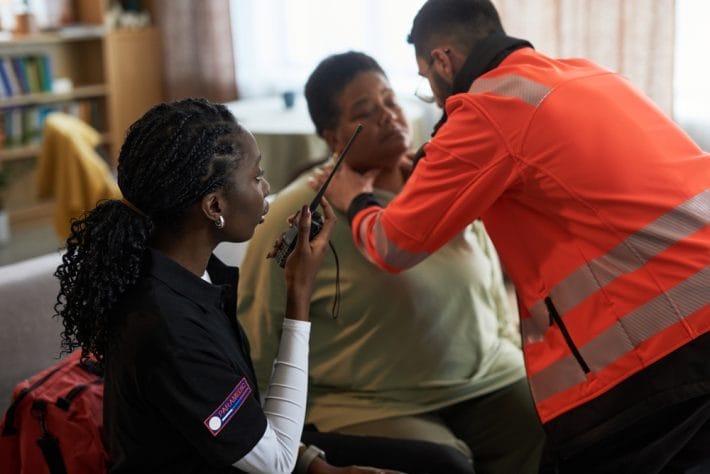
It may seem like a simple formality, but outdated emergency information can create serious problems during medical emergencies, hospital admissions, financial crises, or natural disasters. Doctors, first responders, and hospitals rely heavily on accurate emergency contacts when older adults cannot communicate clearly or make immediate decisions themselves. That said, here are five reasons you should be updating those emergency contacts more often in retirement.
1. Retirement Often Changes Where and How Seniors Live
One of the biggest reasons emergency contacts become outdated after retirement is relocation. Many retirees move closer to family, downsize into smaller homes, transition into retirement communities, or split time between multiple states during the year. A contact person who once lived nearby may suddenly be hundreds of miles away and unable to respond quickly during emergencies. Hospitals and emergency responders often prioritize the fastest available communication during urgent situations, especially when medical decisions must be made quickly.
2. Family Relationships and Responsibilities Change Over Time
Retirement years often bring major changes within families that affect emergency contacts more than many people realize. Adult children may relocate for work, get divorced, change phone numbers, or become unavailable because of caregiving responsibilities of their own. Some retirees continue listing former spouses, deceased relatives, or outdated landline numbers on medical paperwork long after those contacts are no longer useful. Healthcare providers say emergency contact confusion becomes especially common when seniors experience memory issues or medical emergencies and cannot explain their current family situation clearly.
3. Medical Emergencies Become More Common After Age 65
As people age, medical emergencies unfortunately become more likely, making accurate emergency contacts even more important. Falls, strokes, heart problems, medication reactions, and sudden illnesses can leave seniors temporarily unable to communicate important information themselves. Programs like the “Vial of Life” were specifically designed to help emergency personnel quickly access accurate medical and contact information for older adults during crises. Some retirees assume hospitals will automatically locate family members through insurance records or smartphones, but that process can waste valuable time during emergencies.
4. Technology and Communication Habits Have Changed Dramatically
Many older adults still rely partially on paper records while healthcare systems increasingly depend on digital communication systems. A phone number written on a form five years ago may no longer work because relatives switched carriers, abandoned landlines, or changed area codes after moving. Seniors who primarily communicate through text messaging, apps, or email may forget that hospitals often still rely heavily on traditional phone calls during emergencies. Medical alert systems and emergency response services also depend on current contact information to notify caregivers or family members quickly.
5. Emergency Contacts Are Important for More Than Healthcare
Many retirees think emergency contacts only matter during medical emergencies, but they also play a role in financial, legal, and housing situations. Banks, retirement communities, insurance companies, and utility providers sometimes rely on emergency contacts when older adults become unreachable during emergencies or natural disasters. Severe weather events, power outages, wildfires, and hurricanes have highlighted how quickly families may need to locate vulnerable older relatives during crises. Financial institutions may also contact trusted individuals if suspicious activity appears on retirement accounts or if cognitive concerns arise.
Small Updates Today Could Prevent Major Problems Later
You might not think that updating your emergency contacts is that important, but it can be crucial. Accurate information will help you get what you need faster. It’ll help hospitals communicate faster, allow family members to respond more efficiently, and reduce delays during emergencies where every minute matters. Retirement often brings freedom and flexibility, but those same lifestyle changes also make outdated records more common. So, if you’re going to do one thing this week, review and update your emergency contacts!
When was the last time you checked whether your emergency contact information was fully current and accurate?
What to Read Next
The 3G Shutdown Could Leave Millions of Seniors Without Emergency Access
Experts Warn: These 6 Cheap Amazon Items Could Prevent Emergency Room Visits
Your 2026 Medicare Advantage Plan May Deny Your Next ‘Emergency’ MRI-Here’s Why