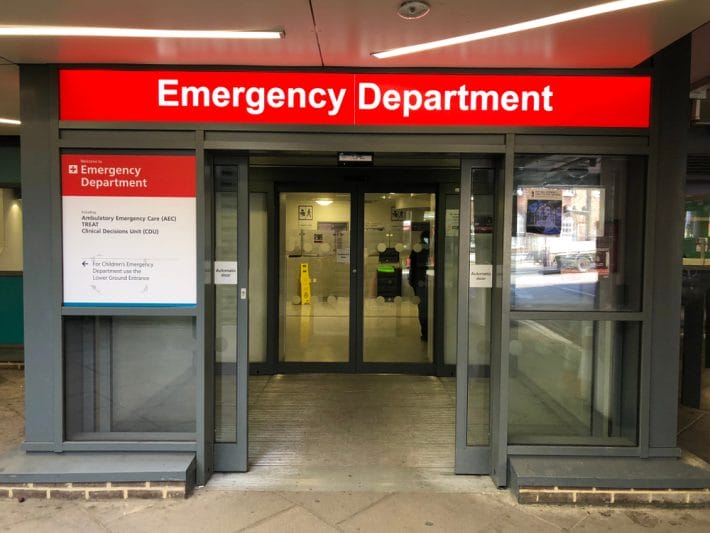
If you’ve been to an emergency room lately, you may have noticed longer waits, crowded hallways, and delayed care. What used to feel like immediate help is increasingly becoming a test of patience, and in some cases, survival. Across the U.S., emergency departments are facing unprecedented strain, with wait times stretching for hours.
National data shows patients now spend a median of about 161 minutes in the ER, with many urban hospitals far exceeding that average. But what’s behind the delays, and more importantly, where are the ERs suffering the most? Here’s what you need to know.
Why ER Response Times Are Getting Worse Nationwide
Emergency room delays are no longer isolated. They’re part of a national trend. A growing number of patients are waiting more than four hours just to be admitted to a hospital bed, far beyond recommended safety standards.
This issue, known as “boarding,” has worsened significantly since 2020 and continues to impact hospitals across the country. At the same time, up to 60% of ER visits are considered non-urgent, adding to overcrowding and slowing care for true emergencies. Staffing shortages, limited hospital beds, and an aging population are all contributing factors. Here are seven cities in the United States where wait times are getting a bit ridiculous.
1. Philadelphia
Philadelphia hospitals are seeing some of the longest ER waits in the region. At major facilities, average wait times have climbed to over four hours before patients receive care.
That’s significantly above the already high regional average of about three and a half hours. These delays can be especially dangerous for conditions like sepsis or heart attacks, where every minute counts. Crowded urban hospitals and high patient demand are major drivers behind these numbers. For patients, this often means extended time in waiting rooms or hallways before treatment begins.
2. New York City
New York State consistently ranks among the worst for ER wait times nationwide. Average delays can reach over six hours in some facilities, making it one of the slowest systems in the country.
Urban density and high patient volumes are key contributors to these extended waits. Hospitals are often forced to manage overflow patients in emergency departments due to limited inpatient beds. This leads to bottlenecks that slow down care for everyone.
3. Boston
Boston is known for world-class healthcare, but ER wait times tell a different story. Patients spend an average of 189 minutes (or more than three hours) in emergency departments. In some cases, waits can stretch to 12–24 hours, depending on demand and staffing.
This disconnect between quality and accessibility is a growing concern. High demand and limited hospital capacity are driving delays. Even top-tier hospitals are struggling to keep up with patient flow.
4. Baltimore
Maryland ranks at the top of national ER wait time charts, with average visits exceeding 228 minutes. That’s nearly four hours just to receive care or be discharged. High population density and the healthcare system strain contribute to these numbers. Patients often face extended waits even for moderate conditions.
5. Phoenix
Phoenix has seen rapid population growth, and its healthcare system is struggling to keep pace. Average ER wait times in Arizona hover around 176 minutes, well above national averages. The surge in residents has increased demand without matching hospital expansion.
Staffing shortages also play a role in slower response times. Patients often experience delays during peak hours and weekends. As the city grows, these challenges are likely to continue.
6. Detroit
In Michigan, patients wait an average of 2 hours and 40 minutes before seeing a provider. While that may sound manageable, delays can still impact diagnosis and treatment outcomes. Some patients leave without being seen due to long waits, increasing health risks. Urban hospitals face heavy demand and limited resources. For serious conditions, even moderate delays can make a significant difference.
7. Washington, D.C.
Washington, D.C. tops the list for total ER visit time, with patients spending over five hours on average. That includes waiting, treatment, and discharge time combined. This reflects both overcrowding and delays in moving patients to inpatient beds. The capital’s healthcare system faces unique challenges due to high demand and limited space. As a result, it’s one of the slowest emergency care experiences in the country.
What These Delays Mean for Your Health
Long ER response times aren’t just inconvenient. They can be dangerous. Delays in treatment can worsen outcomes for conditions like strokes, infections, and heart attacks. Patients may also leave before being seen, increasing the risk of untreated conditions. From a financial standpoint, longer visits can lead to higher medical bills due to extended care.
That said, knowing when to use urgent care instead of the emergency room can also get you seen sooner, especially for things like simple stitches or moderate conditions. So, consider using an urgent care for non-life-threatening issues to avoid a long wait for your health visit. Unfortunately, until larger changes happen, long ER waits may be the new norm.
Have you experienced long ER wait times in your city? How long did you wait, and did it affect your care? Share your story in the comments.
What to Read Next
Experts Warn: These 6 Cheap Amazon Items Could Prevent Emergency Room Visits
Florida 65+: Heat‑Related ER Visits Jumped 42% Last Year — Why Seniors Need to Prep Before May
Seniors Beware: These Common OTC Pills Are Behind a Surge in ER Visits