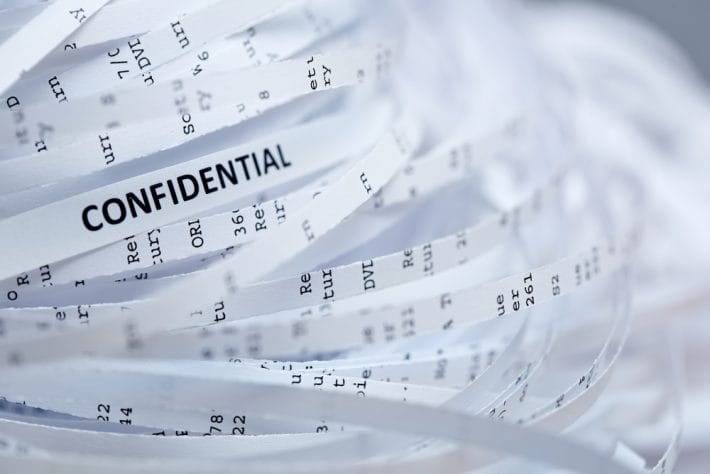
It only takes one piece of paper in the wrong hands to turn your life upside down. Identity theft doesn’t always start with a hacked account. It often begins with something much simpler: your trash. Criminals routinely dig through garbage, recycling bins, and discarded mail to piece together personal information in a process known as “dumpster diving.”
The scary part is that many of the items people toss every day contain enough details to open accounts, access finances, or impersonate you. If you’re not careful about what you throw away, you could unknowingly hand over your identity. Here are eight everyday items you should never discard without protecting them first.
1. Bank Statements and Financial Records
Bank statements may seem harmless once you’ve reviewed them, but they’re packed with sensitive details. These documents often include account numbers, transaction histories, and sometimes even partial Social Security numbers. A thief can use this information to access accounts or create convincing scams. Even old statements can help criminals build a profile of your financial life. Always shred these documents before disposal to avoid identity theft.
2. Pre-Approved Credit Card Offers
Those credit card offers you toss without opening are actually a goldmine for identity thieves. They often contain your name, address, and unique identifiers tied to your credit profile. In some cases, criminals can use these offers to activate accounts in your name. The Federal Trade Commission reports over a million identity theft cases annually, with stolen mail playing a major role. Never throw these away intact. Shred them immediately.
3. Old Tax Documents and W-2 Forms
Tax documents are among the most dangerous items to discard improperly. They contain your full name, income details, and Social Security number, all prime targets for fraud. With this information, a criminal could file a fake tax return or open credit accounts. Experts recommend keeping tax records for several years, then shredding them securely. Throwing them away without protection is a major identity theft risk.
4. Medical Bills and Insurance Statements
Medical documents are often overlooked, but they’re packed with personal data. They can include your full name, address, insurance ID numbers, and even health conditions. This information can be used for medical identity theft or insurance fraud. In some cases, criminals use it to impersonate you for healthcare services. Always destroy these documents securely once you no longer need them.
5. Expired IDs and Old Credit Cards
Old driver’s licenses, passports, and credit cards don’t lose their risk just because they’re expired. These items still contain identifying information that can be used for fraud or impersonation. Even cut-up credit cards can sometimes be reconstructed if not properly destroyed. Identity thieves can piece together fragments to recover account details. Always shred or thoroughly destroy these items before disposal.
6. Shipping Labels and Package Boxes
Online shopping has made shipping labels a common household item and a hidden risk. These labels typically include your full name, address, and sometimes phone numbers. Criminals can use this information to target you with scams or identity fraud. Even empty boxes can reveal patterns about your purchases and lifestyle. Before recycling, remove or shred all labels completely.
7. Pay Stubs and Employment Records
Pay stubs contain more information than most people realize. They often include your employer details, income, and sometimes partial banking information. This data can be used to impersonate you or access financial accounts. Even old employment documents can help thieves build a complete identity profile. Keep them secure until you’re ready to destroy them properly.
8. Utility Bills and Everyday Mail
Utility bills and routine mail may seem harmless, but they’re often used in identity theft schemes. These documents confirm your name, address, and account relationships. Criminals can use them to verify identity when opening fraudulent accounts. Even something as simple as a phone bill can be enough to start the process. If it has personal information, it should never go straight into the trash.
Simple Steps to Protect Yourself
The best defense against identity theft is controlling how you dispose of sensitive information. You should invest in a cross-cut shredder or use community shredding events when available. Also, avoid letting mail pile up, and review documents before throwing them away. When in doubt, follow a simple rule: if it contains personal information, don’t toss it intact.
Identity theft is rarely random. It’s often the result of overlooked details and everyday habits. The documents you throw away can tell a story about who you are, where you live, and how you manage your money. Criminals know this, and they’re counting on people being careless. By taking simple steps like shredding and reviewing your documents, you can stop identity theft before it starts. It’s not about paranoia; it’s about protection.
Have you ever found sensitive documents in your trash without thinking twice? What steps do you take to protect your identity? Share below!
What to Read Next
What Happens After Your Identity Is Stolen—And Why It’s Harder to Fix Than You Think
The Mystery Box Scam: Why Unsolicited Packages Are a Red Flag for Identity Theft
Most Americans Don’t Know the IRS Will Reimburse Them for Identity‑Theft Costs — Here’s How It Works