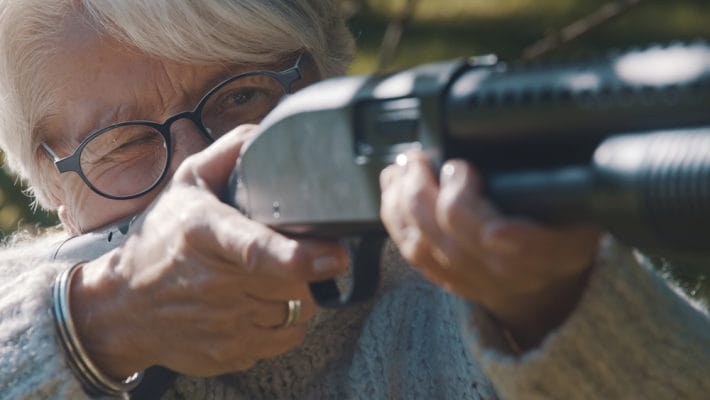
For many families, the moment you realize a loved one is struggling with memory issues is both emotional and overwhelming. But there’s one risk that often goes unspoken, and it can have serious consequences. Studies suggest that a significant number of older adults with cognitive decline still have access to firearms, and in some cases, those weapons are loaded and unsecured. That combination creates a dangerous situation not just for the senior, but for caregivers, family members, and even neighbors. Here’s what you need to know about the startling “1 in 8” statistic, and what you can do to keep your loved ones safe.
The Overlooked Link Between Memory Issues and Firearm Access
When people think about memory decline, they often focus on things like missed appointments or forgotten conversations. However, cognitive issues can also affect judgment, perception, and emotional control. That becomes especially concerning when firearms are present in the home.
Research shows that many older adults live in households with guns, and a portion of those individuals experience cognitive decline. In some cases, seniors may not even recognize familiar people or situations, which can lead to tragic misunderstandings.
The “1 in 8” Statistic Raises Serious Concerns
One of the most alarming findings in recent discussions is that roughly 1 in 8 seniors with memory issues may still have access to a loaded firearm in the home. While exact numbers vary by study, multiple reports confirm that a measurable percentage of older adults with cognitive decline live with unsecured or loaded guns.
Even a small percentage represents thousands of households nationwide. In states where data has been tracked, thousands of seniors reported both memory decline and access to weapons, sometimes stored, loaded, and unlocked.
For many seniors, owning a firearm is tied to independence, identity, and a sense of security. Taking that away can feel like stripping them of control over their own lives. Families often hesitate to have this conversation because it can lead to conflict or emotional distress. In some cases, loved ones underestimate the severity of memory issues or assume “it won’t happen to us.”
Real Risks: Accidents, Confusion, and Tragedy
Memory-related conditions like dementia can cause confusion, paranoia, and even hallucinations. In documented cases, individuals with cognitive decline have mistaken family members for intruders or acted on false perceptions.
Firearms are also a leading method in suicides among older adults, adding another layer of risk. When you combine impaired judgment with easy access to a loaded weapon, the potential for harm increases significantly.
Warning Signs Families Should Never Ignore
Recognizing early warning signs can help prevent dangerous situations. Look for increased confusion, paranoia, or sudden personality changes. Difficulty recognizing familiar people or places is another major red flag. Seniors who become easily agitated or fearful may also be at higher risk. If these behaviors are present, it’s important to assess whether firearms in the home are still safe and appropriate.
And if removing firearms isn’t immediately possible, there are still ways to improve safety. Start by ensuring all guns are locked, unloaded, and stored separately from ammunition. Consider using gun safes or locking devices that limit access. Families can also designate a trusted individual to control access to firearms.These steps don’t eliminate risk entirely, but they significantly reduce the chances of an accident or misuse among seniors with memory issues.
A Growing Issue Families Can’t Afford to Ignore
As the population ages, the number of seniors with memory issues is expected to rise significantly, and so will the need for proactive safety measures. Firearm access is just one piece of a larger conversation about aging, independence, and risk. The earlier families address these concerns, the easier it is to make thoughtful, respectful decisions. Waiting until a crisis happens often leaves fewer options and greater consequences.
Have you or your family had to navigate this difficult conversation about safety and independence? Share your thoughts in the comments below.
What to Read Next
Top 6 Memory Activities To Help Seniors With Dementia
Pharmacists Warn: Mixing These 5 Common Prescriptions Can Trigger Memory Loss in Older Adults
Neurologists Are Warning About These 6 Triggers That May Speed Up Memory Loss After 65
5 Ways to Keep Your Memory Sharp After Retirement
Widowhood Speeds Up Memory Loss: What Experts Are Finding