No Result
View All Result
  • Login
Wednesday, April 8, 2026
FeeOnlyNews.com
  • Home
  • Business
  • Financial Planning
  • Personal Finance
  • Investing
  • Money
  • Economy
  • Markets
  • Stocks
  • Trading
  • Home
  • Business
  • Financial Planning
  • Personal Finance
  • Investing
  • Money
  • Economy
  • Markets
  • Stocks
  • Trading
No Result
View All Result
FeeOnlyNews.com
No Result
View All Result
Home Startups

From gig workers to fishermen: Vietnam’s fuel shock exposes a country built on one oil route

by FeeOnlyNews.com
2 days ago
in Startups
Reading Time: 5 mins read
A A
0
From gig workers to fishermen: Vietnam’s fuel shock exposes a country built on one oil route
Share on FacebookShare on TwitterShare on LInkedIn


When Iran’s blockade of the Strait of Hormuz began choking global oil flows, Vietnam offered a case study in what happens when a fast-growing economy is built atop a single-point-of-failure energy infrastructure. The country sources a substantial portion of its crude oil from Kuwait, funnelled through one of the world’s most vulnerable maritime chokepoints. Its largest refinery was weeks from running dry. And the consequences did not distribute evenly; they cascaded downward through the economy, landing hardest on the workers with the least capacity to absorb them. Vietnam’s fuel crisis is not a story about rising prices. It is a story about what structural dependency actually costs when the structure breaks.

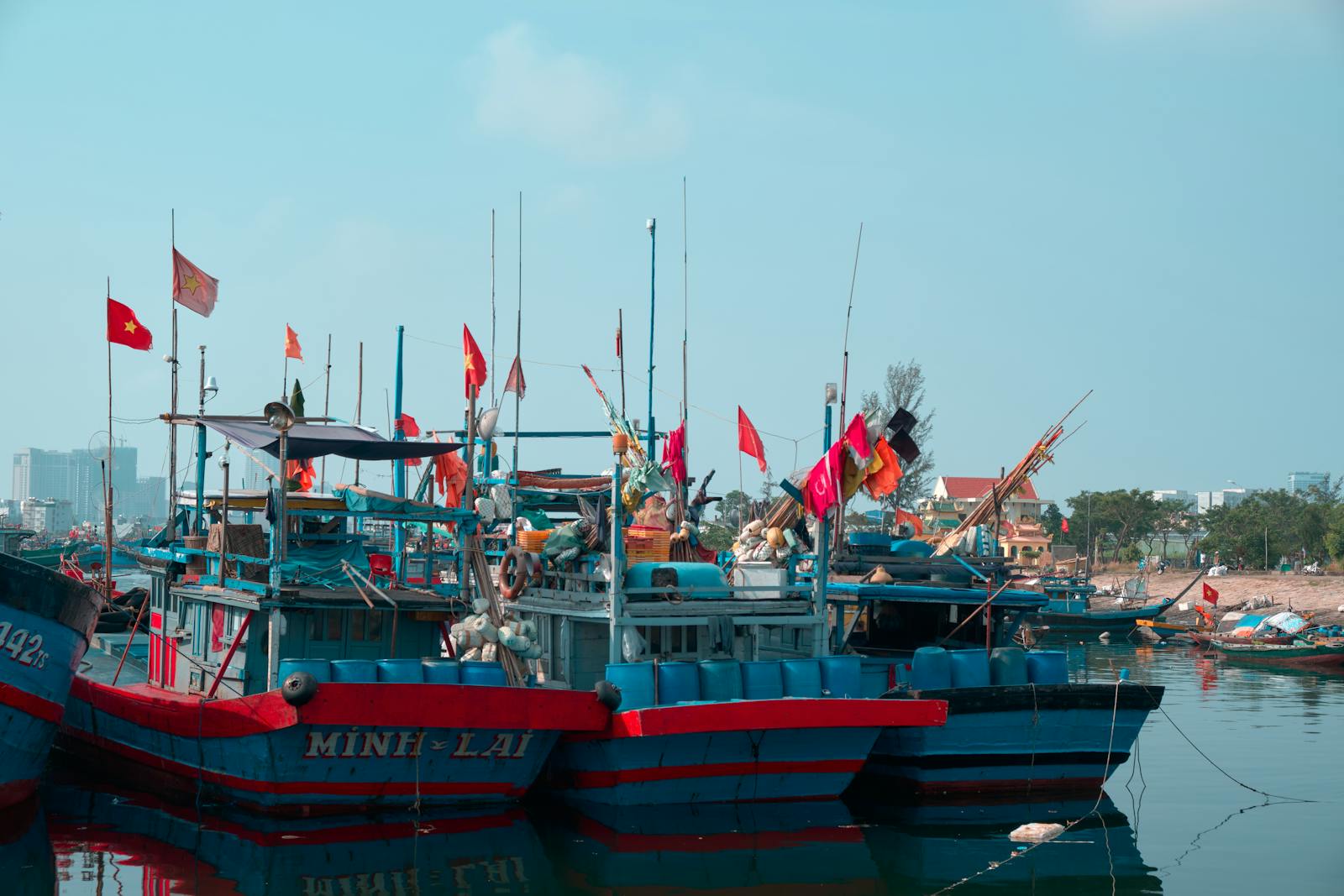
Photo by Kalipay on Pexels

One route, one refinery, one crisis

Vietnam’s energy architecture concentrates risk at every level. Kuwaiti crude travels through the Strait of Hormuz, where Iran has been charging substantial tolls or blocking passage outright. That crude feeds the Nghi Son refinery complex, which supplies a significant portion of the country’s petrol needs. Officials who visited the facility late last month warned that current crude supplies were expected to run out by the end of May.

The redundancy, one might observe, does not exist.

This is not a diversified energy system absorbing a shock; it is a pipeline with a single valve, and someone has turned it off. Vietnam has limited domestic refinery capacity, minimal strategic reserves relative to consumption, and no rapid-deployment alternative supply agreements that could offset a disruption of this magnitude. The vulnerability was always there (embedded, in fact, in procurement decisions made years ago that prioritised cost efficiency over supply chain resilience). The Iran crisis simply made it impossible to ignore.

The gig economy as the canary

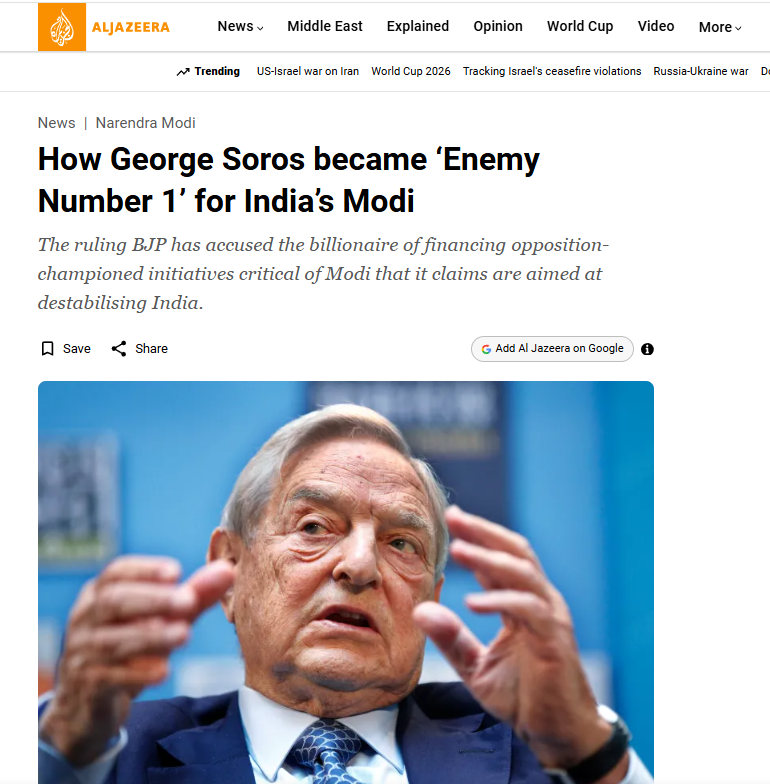
The sharpest illustration of what this structural failure looks like at ground level comes from Ho Chi Minh City’s gig workers. As Al Jazeera reports, an e-hailing motorcycle driver recently completed a seven-to-eight hour shift earning 240,000 Vietnamese dong ($9.11). Half of it went to fuel.

In a city where motorcycles dominate urban transport, fuel costs are not an overhead line item; they are the business model. Gig workers absorb fuel price shocks directly, with no capacity to pass costs to consumers or negotiate with platforms. According to research by Do Hai Ha at the University of Melbourne, gig workers face income volatility from factors they cannot control and lack bargaining power with platform companies. It bears noting that the rational response for many drivers is not to work harder but to stop working entirely; many are simply switching off their apps and going home.

This is the mechanism by which geopolitical risk becomes household poverty. Vietnam’s gig workers did not sign up to bear the cost of Strait of Hormuz dependency. No platform pricing model accounted for it. No labour protection framework cushions against it. Yet they are the ones absorbing the shock — not because of any failure on their part, but because Vietnam’s energy infrastructure was designed with no redundancy, and gig platforms were designed with no floor.

A government response that reveals the limits

Prime Minister Pham Minh Chinh suspended environmental taxes on diesel, petrol, and aviation fuel. The measure was projected to reduce petrol prices by about one-quarter and diesel by about 5 percent, but it comes at significant cost to government revenue. For low-income families in rural regions, where cooking gas prices have risen substantially, the tax cut barely registers against the scale of the shock.

The intervention exposes a familiar bind for governments facing supply-side energy crises: demand-side subsidies drain fiscal capacity without resolving the underlying constraint. Vietnam cannot tax-cut its way out of a supply chain that runs through a warzone. And every month the environmental levy stays suspended is a month of foregone revenue that was earmarked for climate adaptation (a bitter irony, one might argue, for a country already among the most climate-vulnerable in Southeast Asia).

What the crisis forces next

Nguyen Khac Giang, a visiting fellow at the ISEAS-Yusof Ishak Institute in Singapore, said the crisis raises important questions about Vietnam’s strategic autonomy and energy dependencies. With limited refinery capacity serving the domestic market, Vietnam’s exposure to a single maritime chokepoint has become an acute national security concern.

The capital markets are already responding. Vingroup, Vietnam’s largest conglomerate, has reportedly informed authorities it wanted to halt plans to build a major liquefied gas-fired power plant and redirect funds toward renewable energy, citing concerns about fuel price volatility for LNG power projects. But Vingroup’s pivot, however significant, is one company reacting to one price signal; the structural decisions ahead are far larger.

Vietnamese policymakers now face a set of concrete and expensive choices. First, whether to invest in strategic petroleum reserves large enough to buffer against multi-month supply disruptions; this is a capital commitment that competes directly with infrastructure spending. Second, whether to diversify crude sourcing toward suppliers whose shipments do not transit the Strait of Hormuz, which likely means renegotiating long-standing procurement relationships and accepting higher baseline costs. Third, whether to accelerate domestic renewable energy deployment not as a climate initiative but as a national security programme, reframing solar and wind capacity as strategic insulation against maritime chokepoint risk. Each of these decisions carries significant fiscal and political costs. None of them were on the policy agenda six months ago.

For foreign investors, the crisis reframes Vietnam’s risk profile in ways that extend well beyond the current disruption. The country has spent a decade attracting manufacturing FDI on the strength of low labour costs, political stability, and geographic proximity to major markets; energy resilience was not part of that pitch, and it bears noting that the omission was not an oversight so much as a reflection of how rarely chokepoint risk featured in investment due diligence before the Iran blockade made it unavoidable. It will need to be part of the pitch now. Companies evaluating factory placements, logistics hubs, and data centre investments will price in energy supply fragility — and Vietnam’s competitors in the region (particularly those with more diversified energy portfolios, such as Thailand or Indonesia) will benefit from the comparison.

As Silicon Canals has explored regarding the broader oil shock, the Iran conflict is not producing localised disruptions; it is stress-testing energy dependencies worldwide. Vietnam’s crisis is a particularly stark version of a pattern repeating across emerging economies: the geopolitical risk that was priced into no one’s business model is now being paid for by the people with the least ability to bear it.
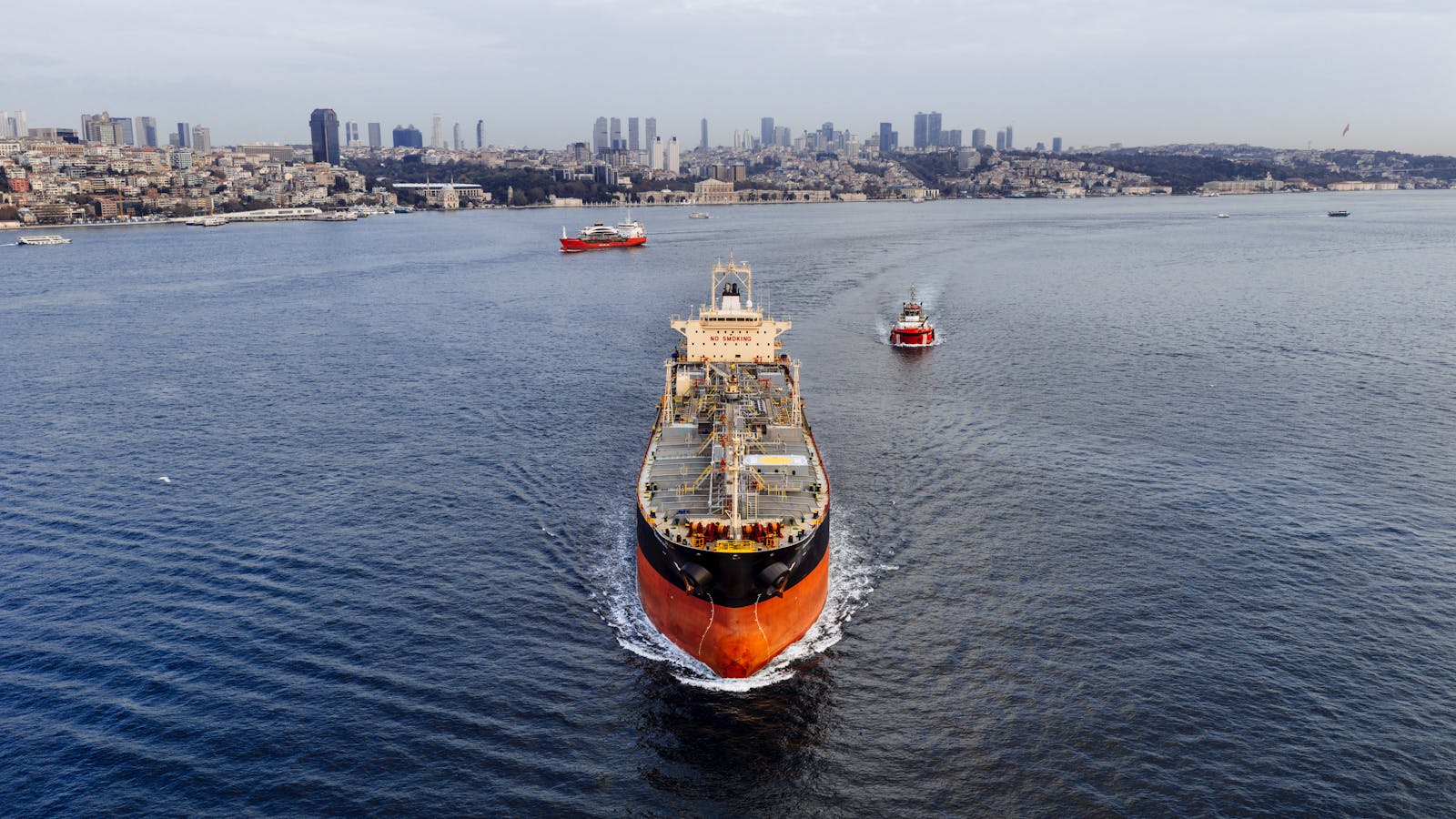
Strait of Hormuz oil tanker
Photo by Kelly on Pexels

Feature image by Duc Nguyen on Pexels



Source link

Tags: BuiltcountryexposesfishermenfuelGigoilRouteshockVietnamsWorkers
ShareTweetShare
Previous Post

BofA cuts India’s Nifty 50 earnings forecast as stagflation fears rise

Next Post

Stock index futures rose as traders continue to focus on Middle East (SPX:)

Related Posts

Psychology says the loneliest generation in history isn’t Gen Z – it’s the boomers who raised everyone, hosted everything, and are now sitting in quiet houses wondering where everybody went

Psychology says the loneliest generation in history isn’t Gen Z – it’s the boomers who raised everyone, hosted everything, and are now sitting in quiet houses wondering where everybody went

by FeeOnlyNews.com
April 8, 2026
0

When people talk about a loneliness epidemic, they almost always mean young people. Gen Z glued to their phones. Teenagers...

Essential Business Tools for Startup Growth

Essential Business Tools for Startup Growth

by FeeOnlyNews.com
April 7, 2026
0

Whether you are already running a business or preparing to launch one, building a startup is exciting but scaling it...

Psychology says people who describe their 70s as the best years of their life aren’t looking back through a nostalgic filter — they’ve simply reached the age at which the things that were costing them the most have expired, and what remains when the performance obligations, the career pressure, and the need for approval all fall away at once is frequently the first honest version of a person’s life they have ever been able to live

Psychology says people who describe their 70s as the best years of their life aren’t looking back through a nostalgic filter — they’ve simply reached the age at which the things that were costing them the most have expired, and what remains when the performance obligations, the career pressure, and the need for approval all fall away at once is frequently the first honest version of a person’s life they have ever been able to live

by FeeOnlyNews.com
April 7, 2026
0

Psychology Today puts it this way: “In old age, a large number of the psychological attachments which normally support our...

The quiet power of doing nothing — why highly sensitive people who protect their solitude aren’t avoiding life, they’re preserving the energy most people burn through by noon

The quiet power of doing nothing — why highly sensitive people who protect their solitude aren’t avoiding life, they’re preserving the energy most people burn through by noon

by FeeOnlyNews.com
April 7, 2026
0

I wonder why solitude still feels like something that needs defending. Why does choosing a quiet Saturday over brunch plans...

AI job displacement predictions rest on a metric economists call ‘completely meaningless’

AI job displacement predictions rest on a metric economists call ‘completely meaningless’

by FeeOnlyNews.com
April 7, 2026
0

AI executives warn that machines will replace human workers across nearly every profession within years. Economists say the data needed...

I’m in my 30s and I recently noticed that the people I resent most aren’t the ones who hurt me. They’re the ones who saw exactly what was happening, had the standing to say something, and chose their own comfort over my safety. The betrayal that actually shaped me wasn’t the cruelty. It was the audience.

I’m in my 30s and I recently noticed that the people I resent most aren’t the ones who hurt me. They’re the ones who saw exactly what was happening, had the standing to say something, and chose their own comfort over my safety. The betrayal that actually shaped me wasn’t the cruelty. It was the audience.

by FeeOnlyNews.com
April 6, 2026
0

Last winter, walking my border collie through Holyrood Park on one of those Edinburgh mornings where the cold sits in...

Next Post
Stock index futures rose as traders continue to focus on Middle East (SPX:)

Stock index futures rose as traders continue to focus on Middle East (SPX:)

Profit warning sends Maytronics to new low

Profit warning sends Maytronics to new low

  • Trending
  • Comments
  • Latest
Judge orders SEC to release data behind B in WhatsApp fines

Judge orders SEC to release data behind $2B in WhatsApp fines

March 10, 2026
The 23 Largest Global Startup Funding Rounds of February 2026 – AlleyWatch

The 23 Largest Global Startup Funding Rounds of February 2026 – AlleyWatch

March 27, 2026
Easter Basket Ideas for Kids

Easter Basket Ideas for Kids

March 23, 2026
3 Grocery Chains That Give Seniors a “Gas Bonus” for Every  Spent

3 Grocery Chains That Give Seniors a “Gas Bonus” for Every $50 Spent

March 15, 2026
8 Cost-Cutting Moves Retirees Are Sharing Online in February

8 Cost-Cutting Moves Retirees Are Sharing Online in February

February 14, 2026
Royal Caribbean, Bank of America Launching New Credit Cards

Royal Caribbean, Bank of America Launching New Credit Cards

March 31, 2026
a16z-backed Infinite Machine is building e-bikes that feel like mopeds. Cyclists may have qualms

a16z-backed Infinite Machine is building e-bikes that feel like mopeds. Cyclists may have qualms

0
Half of advisors eschew asset minimums — here’s what it gets them

Half of advisors eschew asset minimums — here’s what it gets them

0
Psychology says the loneliest generation in history isn’t Gen Z – it’s the boomers who raised everyone, hosted everything, and are now sitting in quiet houses wondering where everybody went

Psychology says the loneliest generation in history isn’t Gen Z – it’s the boomers who raised everyone, hosted everything, and are now sitting in quiet houses wondering where everybody went

0
Partner Portal Software Features to Look For: The 2026 Buyer’s Guide

Partner Portal Software Features to Look For: The 2026 Buyer’s Guide

0
Here’s Why Warren Buffett and Ken Griffin Love Apple (AAPL)

Here’s Why Warren Buffett and Ken Griffin Love Apple (AAPL)

0
Walgreens 101: How to Save BIG at Walgreens Every Time You Shop

Walgreens 101: How to Save BIG at Walgreens Every Time You Shop

0
a16z-backed Infinite Machine is building e-bikes that feel like mopeds. Cyclists may have qualms

a16z-backed Infinite Machine is building e-bikes that feel like mopeds. Cyclists may have qualms

April 8, 2026
Psychology says the loneliest generation in history isn’t Gen Z – it’s the boomers who raised everyone, hosted everything, and are now sitting in quiet houses wondering where everybody went

Psychology says the loneliest generation in history isn’t Gen Z – it’s the boomers who raised everyone, hosted everything, and are now sitting in quiet houses wondering where everybody went

April 8, 2026
The Sneaky Disney World Expenses Most Visitors Forget to Budget

The Sneaky Disney World Expenses Most Visitors Forget to Budget

April 8, 2026
BREAKING: Bitcoin Price Rises as President Trump Signals US-Iran War End

BREAKING: Bitcoin Price Rises as President Trump Signals US-Iran War End

April 8, 2026
Crude may soften, but global supply challenges remain: Peter McGuire

Crude may soften, but global supply challenges remain: Peter McGuire

April 8, 2026
Buc-ee’s Opens Its First Ohio Location. See Which States Are Next.

Buc-ee’s Opens Its First Ohio Location. See Which States Are Next.

April 7, 2026
FeeOnlyNews.com

Get the latest news and follow the coverage of Business & Financial News, Stock Market Updates, Analysis, and more from the trusted sources.

CATEGORIES

  • Business
  • Cryptocurrency
  • Economy
  • Financial Planning
  • Investing
  • Market Analysis
  • Markets
  • Money
  • Personal Finance
  • Startups
  • Stock Market
  • Trading

LATEST UPDATES

  • a16z-backed Infinite Machine is building e-bikes that feel like mopeds. Cyclists may have qualms
  • Psychology says the loneliest generation in history isn’t Gen Z – it’s the boomers who raised everyone, hosted everything, and are now sitting in quiet houses wondering where everybody went
  • The Sneaky Disney World Expenses Most Visitors Forget to Budget
  • Our Great Privacy Policy
  • Terms of Use, Legal Notices & Disclaimers
  • About Us
  • Contact Us

Copyright © 2022-2024 All Rights Reserved
See articles for original source and related links to external sites.

Welcome Back!

Sign In with Facebook
Sign In with Google
Sign In with Linked In
OR

Login to your account below

Forgotten Password?

Retrieve your password

Please enter your username or email address to reset your password.

Log In
No Result
View All Result
  • Home
  • Business
  • Financial Planning
  • Personal Finance
  • Investing
  • Money
  • Economy
  • Markets
  • Stocks
  • Trading

Copyright © 2022-2024 All Rights Reserved
See articles for original source and related links to external sites.