If your energy bills keep climbing and your home never feels quite comfortable, you’re not alone—and you might be missing out on a little-known federal program that can fix both problems for free. The Weatherization Assistance Program (WAP) helps eligible households upgrade their homes with improvements like insulation, HVAC repairs, and energy-saving fixes at zero cost. Many homeowners and renters assume programs like this are too good to be true, but this one has been around since 1976 and has already helped millions of families. In fact, qualifying households can save hundreds of dollars per year on energy bills after upgrades. This is one of the most overlooked benefits available today—and it could make a real difference in your monthly budget.
What the Weatherization Assistance Program Actually Covers
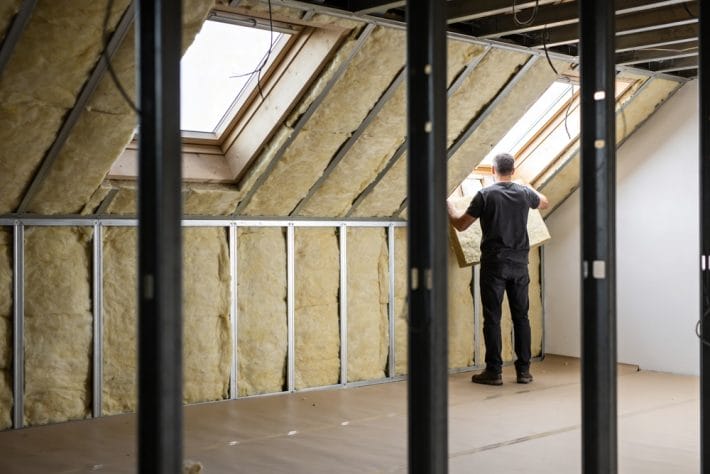
The Weatherization Assistance Program focuses on improving your home’s energy efficiency while also making it safer and healthier to live in. Instead of handing out cash, the program sends professionals to evaluate your home and complete upgrades directly. These upgrades can include insulation for walls and attics, sealing air leaks, repairing or replacing HVAC systems, and improving ventilation.
In some cases, even windows, ductwork, and water heaters may be repaired or upgraded if they impact energy efficiency. The goal is to reduce wasted energy so your home stays warmer in winter and cooler in summer without driving up your bills.
Who Qualifies for These Free Home Upgrades
Eligibility for the weatherization assistance program is primarily based on income, but the threshold is higher than many people expect. In most states, households earning up to 200% of the federal poverty level may qualify, and those receiving benefits like Supplemental Security Income are often automatically eligible. The program prioritizes seniors, people with disabilities, and families with children, especially those struggling with high energy costs.
Both homeowners and renters can apply, although renters may need landlord approval. If your energy bills feel overwhelming, there’s a strong chance you could qualify without realizing it.
1. Free Home Energy Audit Comes First
Before any upgrades happen, the program starts with a no-cost energy audit of your home. A trained professional evaluates how your home uses energy and identifies problem areas like drafts, poor insulation, or inefficient systems. This step ensures that every improvement made will deliver the biggest impact on your energy savings. The audit may also check for safety issues like gas leaks or poor air quality. After the inspection, the team creates a customized plan tailored specifically to your home.
2. Insulation and Air Sealing That Actually Works
One of the biggest energy drains in any home is poor insulation and air leaks. The program often adds insulation to attics, walls, and floors while sealing gaps around doors, windows, and ducts. These fixes help keep conditioned air inside your home instead of escaping outdoors. Weatherization experts focus on the most cost-effective upgrades that deliver immediate savings. Many households notice a difference in comfort almost immediately after these improvements are completed.
3. Heating and Cooling System Repairs or Replacement
If your HVAC system is outdated or inefficient, the program may repair or even replace it. This includes furnaces, air conditioners, and ventilation systems that are no longer functioning properly. These upgrades can dramatically reduce energy usage while improving indoor comfort year-round. In North Carolina alone, hundreds of HVAC units are repaired or replaced each year through the program. For many households, this is one of the most valuable benefits available.
4. Additional Safety and Efficiency Upgrades
Beyond insulation and HVAC work, the program includes several smaller upgrades that add up to big savings. This can include installing carbon monoxide detectors, sealing ducts, adding ventilation, and improving lighting efficiency. These improvements not only lower energy costs but also make your home safer and healthier. Even small fixes like low-flow showerheads or pipe insulation can contribute to long-term savings. Every upgrade is selected based on how much it improves your home’s overall efficiency.
How to Apply and Get Started
Applying for the weatherization assistance program is easier than most people expect, but it does require going through your local agency. Each state works with community action agencies that handle applications and coordinate services. You’ll typically need to provide proof of income, recent energy bills, and basic household information.
Once approved, your local provider schedules the energy audit and begins the process. The key is to apply early, since funding is limited and distributed on a first-come basis in many areas.
The Smart Move for Lower Bills and a More Comfortable Home
If you’re struggling with high utility bills or living in a drafty, inefficient home, the weatherization assistance program could be one of the best financial decisions you make this year. These upgrades don’t just save money—they improve comfort, safety, and long-term home value. Even better, the work is done by professionals at no cost if you qualify. With energy prices continuing to rise, programs like this can provide real relief when you need it most. Taking a few minutes to check your eligibility could lead to thousands of dollars in home improvements you never have to pay for.
What upgrades would make the biggest difference in your home right now—and have you ever applied for a program like this before?
What to Read Next
61% of Boomers Say They’ll Never Sell Their Homes And It’s Costing You
HJR 205 Fails: What Florida’s Abandoned Property‑Tax Amendment Would Have Changed for Homeowners
From Humming to High‑Pitched Whines: How Loudoun County’s Data‑Center Noise Is Raising Fears About Home Values
5 Common Scams Targeting Homeowners Over 60 Right Now
The 350-Home Rule—How the New ‘ROAD to Housing Act’ Could Force Corporations Out of Your Neighborhood

Amanda Blankenship is the Chief Editor for District Media. With a BA in journalism from Wingate University, she frequently writes for a handful of websites and loves to share her own personal finance story with others. When she isn’t typing away at her desk, she enjoys spending time with her daughter, son, husband, and dog. During her free time, you’re likely to find her with her nose in a book, hiking, or playing RPG video games.