Moby Review
Value
Ease of Use
Quality
Summary
Moby is a market research platform aimed at new investors. This mobile-friendly platform includes market news and research reports on stocks as well as cryptocurrencies. It also offers investment ideas, model portfolios, a five-part investment course, and more. Learn more about this market research platform by reading our complete Moby review now.
About Moby
Moby was founded in New York in 2020 by Dan Remstein and Justin Kramer, former Wall Street hedge fund analysts. The idea behind the platform is to make hedge fund-level research available to individual investors in a way that doesn’t feel overwhelming or cost a fortune. Moby has taken off, building a community of more than 10 million total users and nearly 100,000 premium subscribers.
Moby Pricing
Moby offers a free plan that includes access to daily stock market updates and a monthly newsletter. Access to stock research and recommendations requires a Premium plan, which costs $29.95 per month or $199 per year (discounted to $99 for your first year). You can try out Moby Premium free for 14 days and the annual plan comes with a 30-day money-back guarantee.
Special Offer
Get a Discount on Your First Year of Moby Access
Moby Features
Daily Market Update
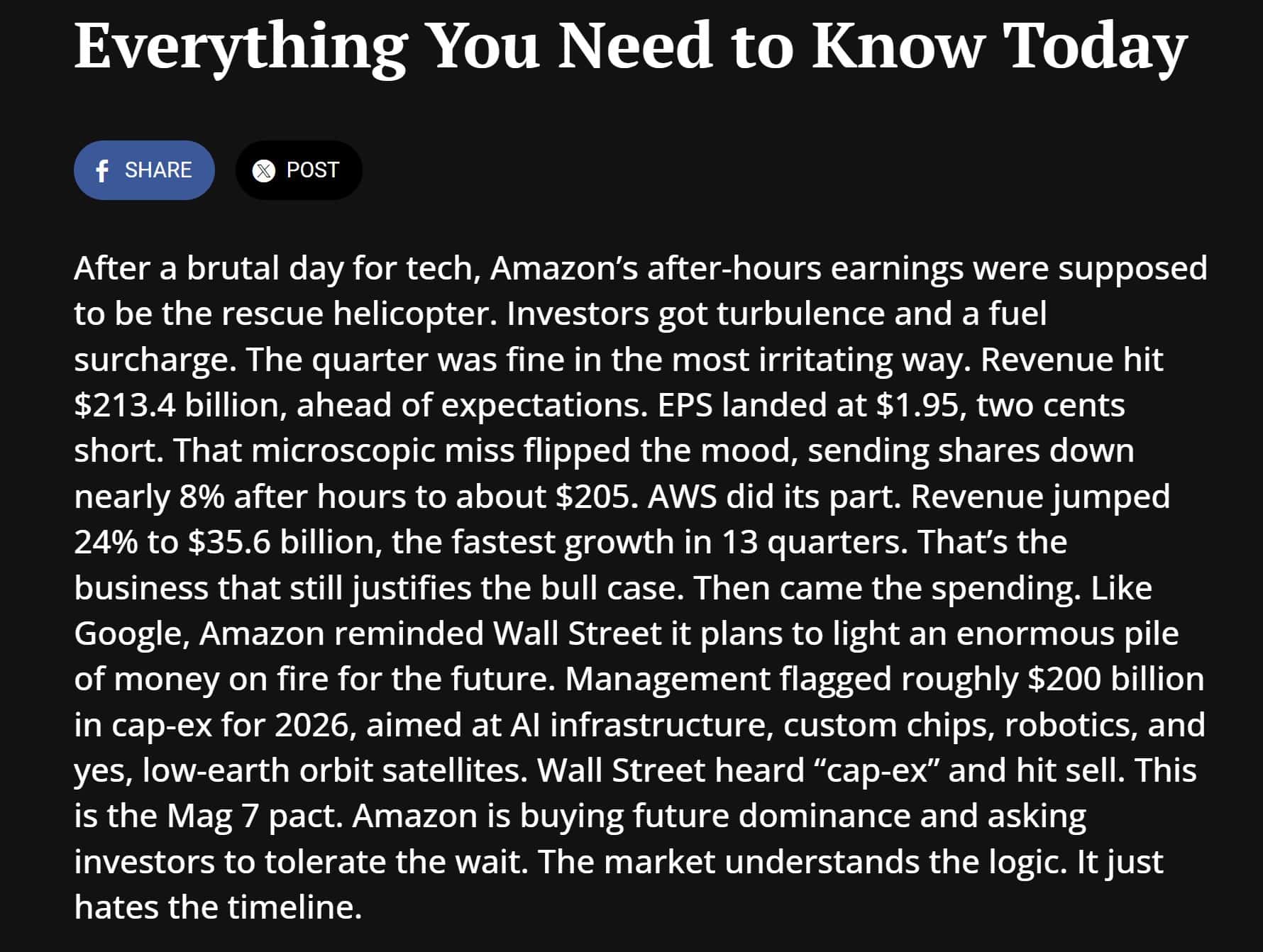
Moby offers a short daily market update that’s free for all users. It’s not fundamentally different from other free market newsletters like Morning Brew or Seeking Alpha’s Must Reads. But Moby does a nice job of succinctly highlighting what’s happening in the market with a unique, witty voice and without a ton of jargon. If you’re not already reading a morning market roundup, this is a good one to consider.
Stock Picks and Research Reports
The heart of Moby Premium is access to stock picks and research. Subscribers get three weekly stock picks, and I was impressed by the quality of research that comes with these. While Moby seems at first glance like it might be only for the casual investor, Premium reports go deep to make a strong case for each stock the service recommends.
To start, each recommendation includes a one-year target price and upside percentage so you know exactly what the potential reward is. You then get a detailed summary of Moby’s case, written in sharp copy that actually feels fun to read. Summaries cover the bull argument for the stock, a quick look at financial data, an overview of the sector outlook, and a very brief mention of risks.

If you want to dig in, Moby offers a detailed research report below the summary. This covers a lot more ground, including the company’s background and competitive environment, industry trends, peer comparison, discounted cash flow modeling, and a much deeper dive into risks to the thesis. The report also discusses bull, neutral, and bear cases and even dissects the company’s last earnings call.
What’s notable about Moby, especially compared to platforms like Seeking Alpha or Stock Rover, is that it doesn’t overwhelm you with data. There are no tables or charts to interpret (even for the peer comparison, where a chart might be helpful). The report references data a lot, but in the context of the thesis rather than as a standalone set of numbers for you to interpret. It feels more similar to a stock recommendation service like The Motley Fool Stock Advisor, although the research reports that Moby offers are much more detailed.
Some investors will love this approach because of the guidance it provides, while more self-directed investors might not appreciate it as much. Either way, it’s important to make sure you fully understand the risks to Moby’s thesis since these can easily get lost when reading thesis-driven, opinionated summaries and reports.
The other thing to note about Moby is that it doesn’t offer much guidance about when to sell stocks. You get an upside price target, but this isn’t updated over time to reflect changes in a company’s performance. There’s no exit plan for the downside, so you’re left to set stop losses on your own. This lack of guidance can make Moby a lot harder to follow compared to a dedicated recommendation service like Stock Advisor. It also means there’s no way to actually track the performance of Moby’s portfolio over time.
Market News
Moby’s team publishes 5-10 news articles each market day, which are only available to Premium subscribers. Some of these focus on individual stocks, offering insight into companies that haven’t been selected as recommendations. Other news articles cover sectors or trends, typically focusing on where the greatest price movements are occurring.
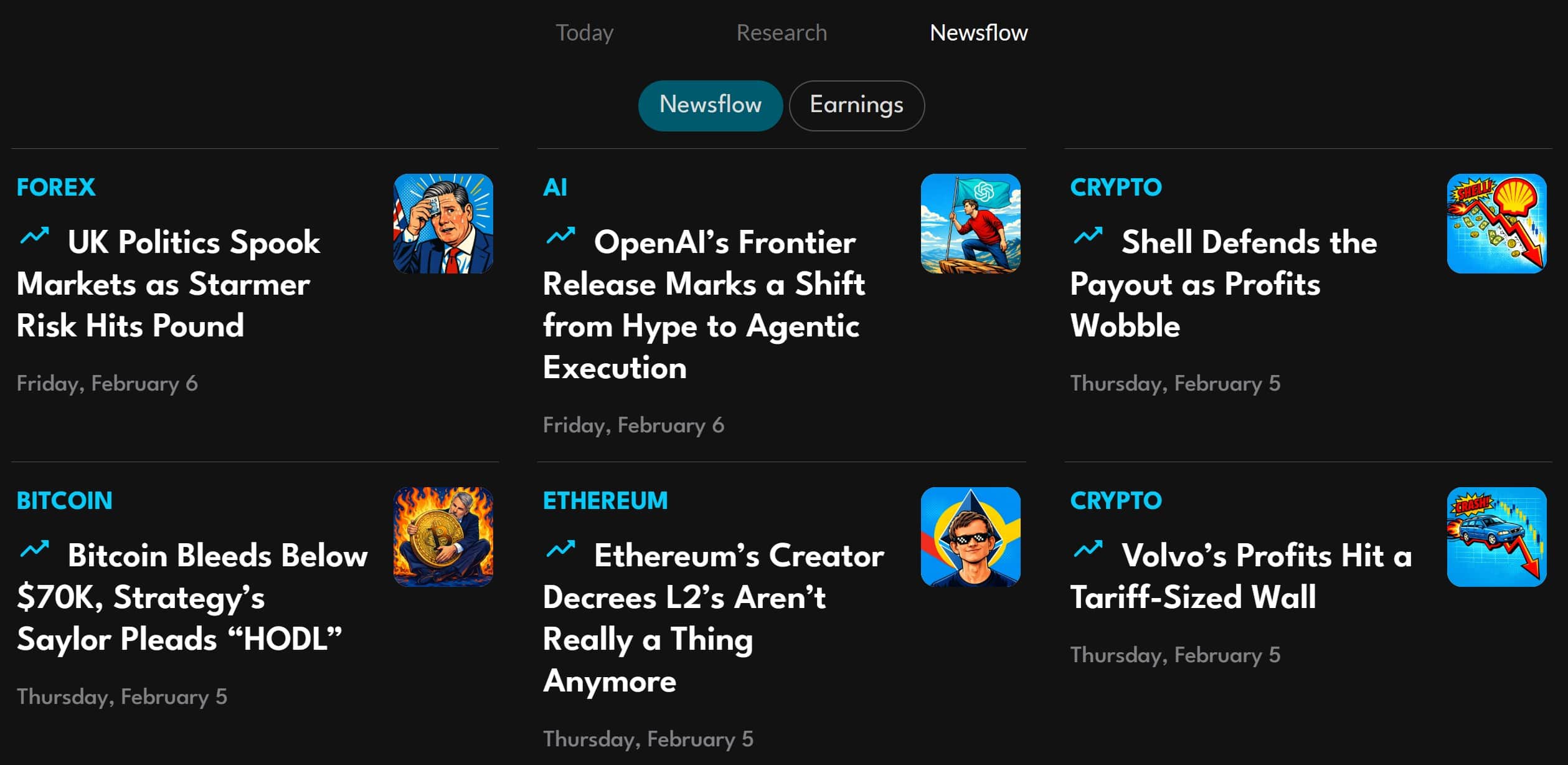
The news articles are a lot more colorful than your typical CNBC or Bloomberg news articles. Moby approaches companies with wit and humor, which makes these news stories a lot easier to absorb and more memorable.
🏆 Top Rated Services 🏆
Our team has reviewed over 300 services. These are our favorites:
AI Model Portfolios
Moby uses AI to manage four model portfolios, which are updated monthly and designed so that investors can directly copy them.
The Flagship portfolio focuses on growth at a reasonable price (GARP) stocks and it typically has the fewest stocks—often fewer than 10. It’s challenging to track the portfolio’s performance since Moby measures performance month-to-month rather than since inception, and stocks often enter and leave the portfolio after just a few months. It’s beaten the S&P 500 GARP index most months, but that’s significantly trailed the S&P 500 overall for the past several years.
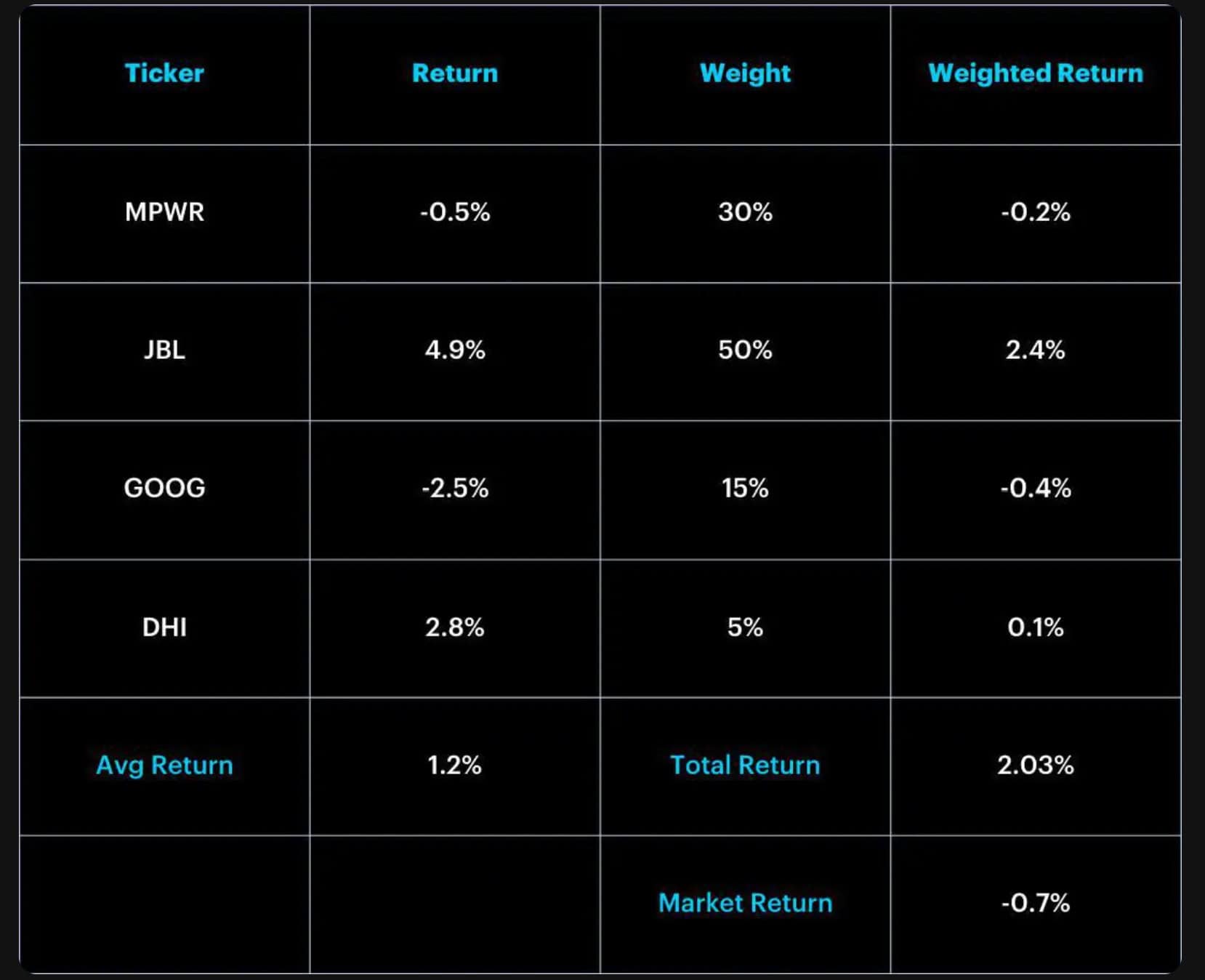
Other portfolios focus on international stocks, dividend stocks, and ESG stocks. These have all consistently outperformed their respective indices.
Since the portfolios are rebalanced monthly, there is some work involved to follow along with them. Moby also doesn’t worry about tax-loss harvesting, so keep that in mind when comparing portfolio gains against their benchmark index funds.
Other Tools
Moby has a few other tools that I didn’t find to be groundbreaking, but are worth mentioning.
First, you can access TradingView charts directly within Moby. TradingView has its own app that works really well on mobile, so most of the time I’d recommend just swapping apps instead of using Moby’s embedded interface.
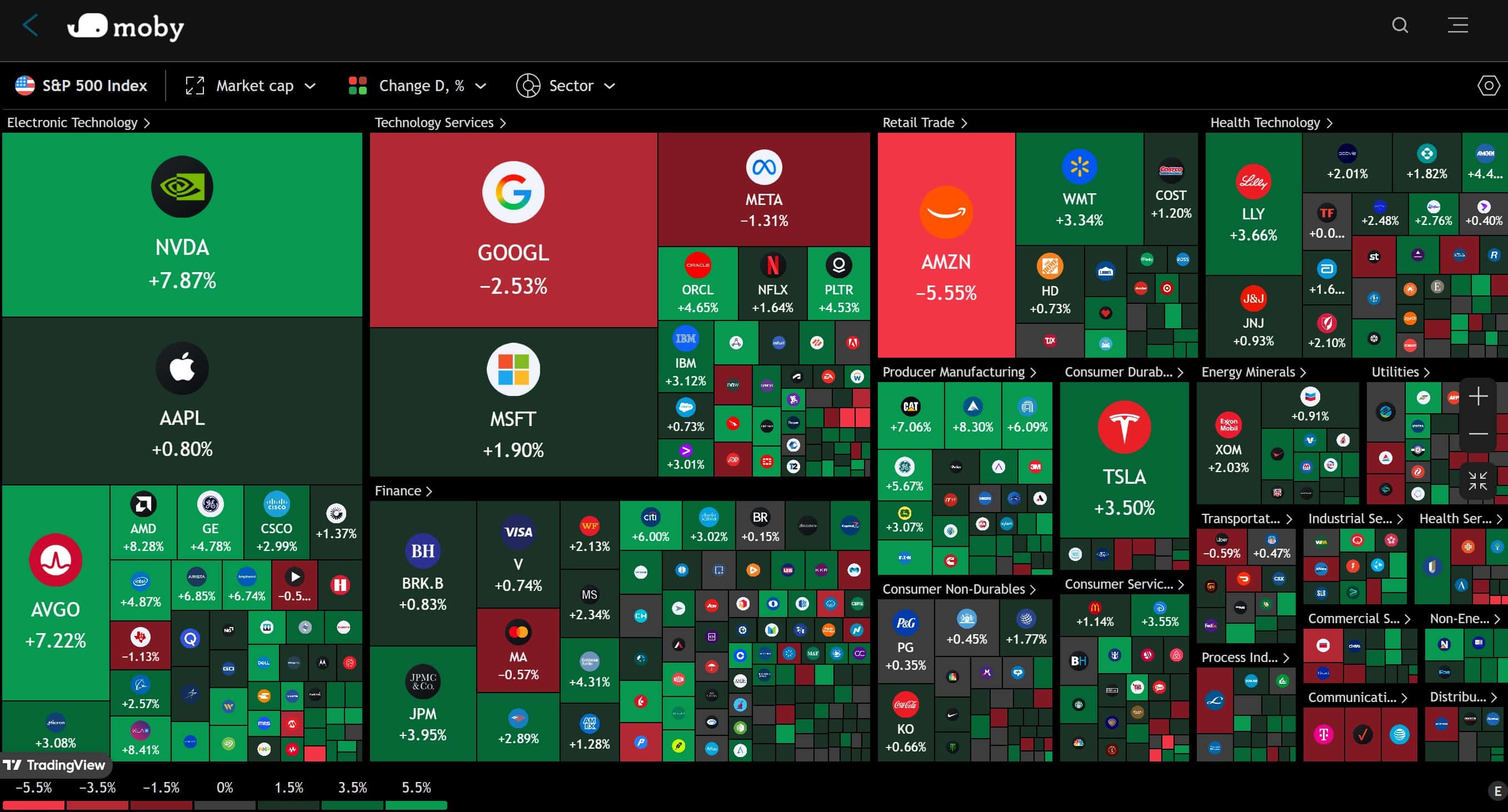
A daily movers list and heatmap can help you find potential stocks to trade. However, the daily movers list only shows the top five gainers and top five losers across the entire market, so you’re missing out on a lot of active stocks. The heatmap is a little more helpful since you can size boxes by trading volume and color-code boxes by performance over multiple timeframes.
Finally, there’s an economic calendar that lists upcoming jobs reports, CPI announcements, and other macro events.
Is Moby Easy to Use?
Moby is available on web and mobile (iOS and Android), and it’s clearly designed with mobile users in mind. It lists stock recommendations and news articles in a scrollable newsfeed, and the entire platform has just three menu items: Today, Research, and Newsflow. It felt streamlined and user-friendly, although I wish Moby more explicitly categorized what posts are market news and what posts are new stock recommendations.
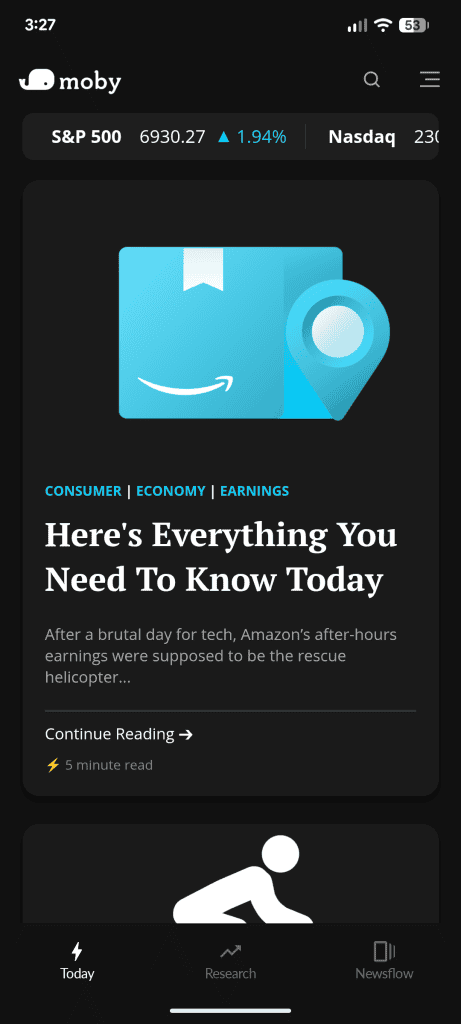
One touch I really liked is that stock pick summaries are available as audio, so you can listen to the summary instead of reading it. This is a great feature for commuters. I’d love to see Moby implement audio for news stories as well.
Moby Platform Differentiators
Moby offers smart, fun-to-read commentary on what’s happening in the market and pairs that with actionable stock recommendations. You don’t have to be a financial genius to understand the articles, but Moby’s in-depth research reports offer plenty for more experienced investors to dig into.
Overall, the platform feels unique. It’s not just another witty market newsletter like Morning Brew—it also offers actionable investing ideas. It’s not just a stock recommendation service like Stock Advisor—it also provides insightful market commentary and research on stocks that aren’t being recommended. It’s not a Seeking Alpha clone—you don’t have to dive into balance sheets or sift through contributor articles with many competing angles to understand the story behind a stock.
The catch is that Moby lacks some of the best features of these competitors, too. It doesn’t offer a single, clear portfolio with guidance on when to buy and sell like Stock Advisor. It also lacks the screeners and data visualizations of Seeking Alpha and Stock Rover.
What Type of Trader Is Moby Best For?
Moby is most suitable for active investors who want actionable stock recommendations and research that doesn’t require an economics degree to understand. It offers a much shorter investing time horizon than competing recommendation services like The Motley Fool Stock Advisor. In addition, Moby’s market news can be useful for self-directed investors who want to come up with their own ideas based on current market action and trends.
Is Moby Worth It?
At $199 per year (discounted for your first year), Moby Premium is expensive for a market news service, but relatively inexpensive for a stock recommendation and research service. For comparison, Stock Advisor also costs $199 per year (discounted for new members) while Seeking Alpha costs $299 per year.
🏆 Top Rated Services 🏆
Our team has reviewed over 300 services. These are our favorites:
Whether the service is worth it for you comes down to whether you plan to use the three weekly stock recommendations and the model portfolios to make investment decisions. If you do, remember that Moby doesn’t track the performance of its recommendations and you’re responsible for crafting an exit strategy for any stock Moby recommends.
Special Offer
Get a Discount on Your First Year of Moby Access
Pros
Three weekly stock recommendations with price targets
Detailed research reports on recommended stocks
Includes 4 AI-powered model portfolios
Witty and engaging writing style
Mobile-friendly layout
Cons
Doesn’t track performance of recommendations
Model portfolios are rebalanced monthly
Doesn’t offer in-depth financial data
Ease of Use: 4.5/5
Value: 4/5
Quality: 4.5/5