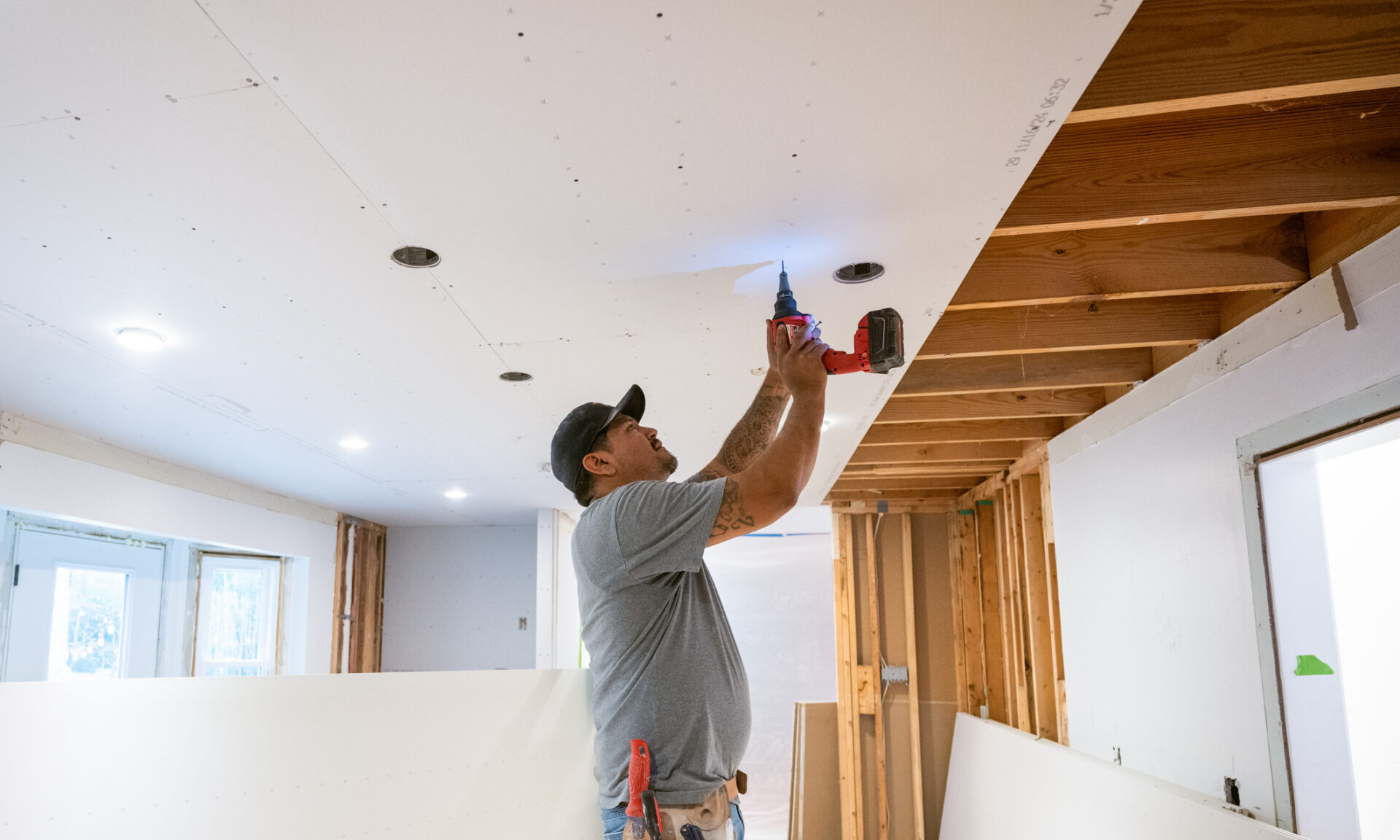
Running a drywall business means working around ladders, power tools and other people’s property every day — which is why you can’t ignore insurance. At a minimum, drywall contractors should have:
General liability insurance. This covers accidental damage or injuries you cause on a job site.
Workers’ compensation. This can help pay medical bills and lost wages if you or an employee gets hurt.
Larger drywall contractors may also need commercial auto, tools and equipment, and business interruption coverage, among other policies. Read on to know what your business needs and how to find the best coverage.
Save up to 30% on business insurance
NerdWallet Small Business helps you get real-time quotes from 30+ insurers, and instant access to your Certificate of Insurance (COI) through our partner, Coverdash.
The best drywall insurance companies
Relative number of complaints to state insurance regulators.
How financially strong insurers are, which indicates their ability to pay claims.
How easy it is to get a quote and buy a policy online.
Whether they have policies specific to contractors like drywallers, or features they might find valuable.
Here are some of the top companies we found that serve contractors. It’s smart to get multiple quotes to find the best coverage at the best price.
Best for business owner’s policies
Best for working with an agent
The Hartford also specializes in insurance for the construction industry, with policies tailored for contractors available. It gets few complaints to regulators for its size overall and is financially strong.
Best for free additional insureds
We like Ergo Next for its quick online purchase process and policies specific to drywall contractors. The latter often include coverage for tools and expanded liability.
Best for getting multiple quotes
Huckleberry is an insurance broker. Since it doesn’t underwrite insurance policies, we don’t give it a star rating.
If you want to compare a few companies, Huckleberry is an agency that can help. This online broker offers BOPs from Chubb and Markel. Markel solely underwrites its general liability policies. That insurer gets far fewer complaints than expected given its size.
What is drywall insurance?
Drywall insurance protects your business financially from some common industry risks. Among other incidents, drywall business insurance can help pay expenses if:
You damage someone else’s property during the course of your work.
You’re sued for mistakes, delays or negligence.
An employee is hurt on the job.
Your work property or vehicle is damaged.
Your business can’t operate because your office or property is damaged.
Sole proprietors may need just one or two policies. Large drywall companies can have more complex insurance needs, resulting in additional coverage.
What insurance policies do drywall contractors need?
Most drywall businesses should have general liability coverage and workers’ compensation. If you use a vehicle for business purposes, you’ll need commercial auto insurance.
Whether you need more coverage depends on factors like:
The size of your company and number of employees.
Whether you own and transport expensive equipment.
Requirements in your state.
What does drywall insurance cover?
Coverage varies by company and policy. Here are some common policies drywall businesses get and their coverage details.
General liability insurance
For instance, say your client trips on an extension cord and breaks a wrist catching their fall. Or maybe they allege you chipped their marble tile while repairing a wall. In either case, general liability would pay, including legal costs and any judgments against you.
Say you’re startled and your nail gun misses the target, piercing your hand. You can’t work until it’s healed, and you need physical therapy. Workers’ comp pays for the medical bills, therapy and a portion of your lost income until you can get back to work.
Personal auto policies usually exclude business use, and business policies exclude personal use. If you have one car for both work and personal use, check with potential insurers on hybrid policy options.
Other types of drywall business insurance
Policy type
Coverage details
Pays if your tools and equipment are damaged or stolen. Also covers job materials you order while they’re in transit or storage. If you don’t need materials covered, check policies for tool and equipment coverage.
Covers your business property, such as an office or warehouse, if it’s damaged or destroyed. Also covers movable property, like desks, tools and computers. Pays for damage due to vandalism, fire, water and theft, among other perils.
If your commercial property is damaged and your business temporarily can’t operate, this policy covers the lost income. You need to have business property insurance to buy interruption coverage.
A BOP combines general liability, property coverage and business interruption insurance. Some insurers offer add-ons for commercial auto and worker’s comp, which tends to be less expensive than buying each separate.
This coverage pays out if you make an error, such as forgetting to order a client’s materials on time and causing a serious delay. If a client sues you, it also pays for legal costs. Some contractors insurance policies include this in general liability packages.
What to watch out for in drywall insurance policies
Some drywall insurance coverage could have gaps you’ll want to avoid. Things to know about include:
Damage to your own work isn’t typically covered. Liability insurance only covers damage or injuries to third parties during the course of your job. It doesn’t cover damage to your own drywall installations.
The type of drywall work you do matters. If your policy lists you as a commercial drywall installer only and you do residential work, your insurer could deny claims for the latter. If you do both, the policy should reflect that.
How easily you can add additional insureds. If you subcontract, your contractor may require you to name them as an additional insured on your policy. Some insurers make this easy to do online, while it takes more steps with others. Costs vary as well.
Whether you can file a claim after the policy ends. Occurrence policies cover incidents that happen while the policy is active, even if you make a claim later. Claims-made policies usually only cover claims made during the policy term, unless you buy a “tail coverage” endorsement. General liability and workers’ comp policies are typically occurrence based.
If you’re unclear on any of these clauses or concerned about the implications, you may want to speak with an insurance broker or agent. They can walk you through the more complex details in a policy and advise on coverage.
How much does drywall insurance cost?
Drywall companies earning more than $10 million in revenue per year can expect to pay $7,500 per year for general liability insurance, according to data provided to NerdWallet by online broker Coverdash. They pay an average of $10,000 per year for workers’ comp.
How to shop for drywall contractor insurance
1. Gather essential information
You’ll need key details on your company, including date it was founded, annual revenue, operating address and values of any business property or vehicles. If you have employees, you’ll also need a roster with their roles and salaries.
2. Settle on your policies
Using the guidance and gathered information above to determine what you need to cover. Decide also if you want to use a company that caters to the construction industry, such as Travelers, The Hartford or Ergo Next.
3. Decide how you’ll shop
Choose based on whether you need more personalized advice or a quick and easy online experience.
A licensed broker can walk you through policy details in depth and help you tailor coverage.
An online marketplace is often quick and easy, which may be preferable for small businesses that need insurance quickly.
Getting quotes on your own can be more time consuming, but allows you to choose the providers to shop with. Brokers and marketplaces are limited to their own network.
4. Compare policy details
Every insurance policy is slightly different, even when it covers the same things. Compare coverage limits and deductibles for any policy you’re considering because they directly affect price.