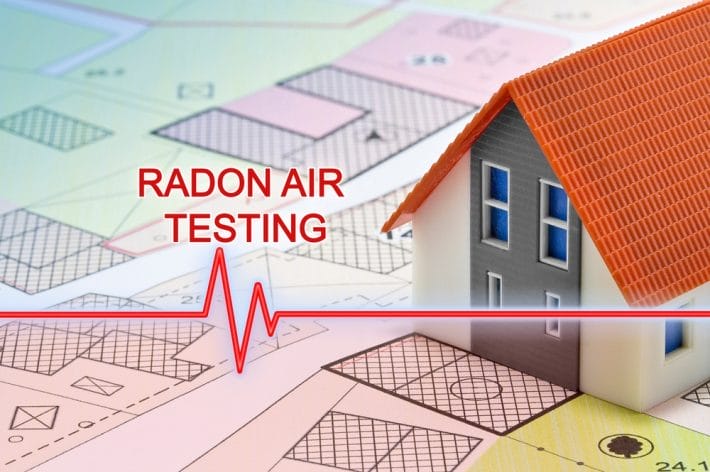
Radon is one of those threats you never see coming (quite literally). It’s invisible, odorless, and tasteless, yet it quietly seeps into homes and builds up in basements where many seniors spend time. For older adults, especially those with respiratory issues or reduced mobility, this gas can pose a serious long-term health risk. In fact, radon is the second leading cause of lung cancer in the United States and the leading cause among non-smokers. Recently, it has been found building up in basements across several states. Here is what you need to know to keep yourself safe.
Why Radon Is Especially Dangerous for Seniors
Radon exposure doesn’t cause immediate symptoms, which makes it particularly dangerous for seniors who may already be managing multiple health conditions. Long-term exposure can lead to lung cancer, which often develops years after initial contact.
Older adults tend to spend more time indoors, increasing their overall exposure compared to younger populations. Reduced lung capacity and pre-existing conditions like COPD can amplify the risks. For seniors living alone, the lack of awareness about radon testing adds another layer of concern. This combination of factors makes radon a hidden but serious threat in aging households.
Exposure is far more widespread than most people realize. About one in every 15 homes in the U.S. has elevated radon levels that require action. That translates to millions of households (and potentially tens of millions of people) at risk. In fact, studies suggest that nearly 25% of Americans may be exposed to higher-than-recommended radon levels. Despite these numbers, many homeowners have never tested their homes.
How Radon Builds Up in Basements
Radon forms naturally from the breakdown of uranium in soil and rock beneath your home. It seeps through cracks in foundations, gaps around pipes, and even through concrete floors.
Because basements sit closest to the ground, they tend to have the highest concentrations. Poor ventilation, especially during colder months, allows radon to accumulate to dangerous levels. Studies show that basement measurements are often significantly higher than those of the upper floors. For seniors who use basements as living spaces, hobby rooms, or storage areas, this creates prolonged exposure risks.
The 10 States Seeing Higher Radon Levels
While radon exists in every state, certain regions consistently report higher levels due to geology and soil composition. High-risk states often include Pennsylvania, Ohio, Iowa, Nebraska, South Dakota, North Dakota, Colorado, Montana, Utah, and parts of Illinois.
In some of these areas, large portions of homes exceed recommended safety thresholds. Even neighboring counties can show dramatic differences in radon levels. The EPA classifies these areas into zones based on potential risk, with Zone 1 being the highest. However, experts emphasize that any home (regardless of location) can have elevated radon levels.
Why Radon Levels Are Rising in Homes
Several modern housing trends are contributing to higher radon concentrations. Energy-efficient homes are built to be tightly sealed, which reduces airflow and traps radon inside. Renovations like finished basements can also unintentionally increase exposure by turning previously unused spaces into living areas.
Seasonal changes play a role, too, as homes are closed up during winter, allowing radon to accumulate. Additionally, more people are spending time at home than ever before, increasing total exposure.
Simple Steps Seniors Can Take to Stay Safe
Testing your home is the only way to know your exposure level, and test kits are affordable and easy to use. If levels are high, mitigation systems can significantly reduce radon by venting it outside. These systems are proven, effective, and often installed in just a day.
Improving ventilation and sealing foundation cracks can also help lower levels. Seniors should consider testing every few years, especially after renovations or moving into a new home.
Radon may be invisible, but it’s far from uncontrollable. With simple testing and affordable mitigation options, seniors can dramatically reduce their risk. Taking this small step today could protect your health for years to come.
Have you ever tested your home for radon, or is this something you’ve been putting off?
What to Read Next
The Federal Program That Gives Seniors Free, Unbiased Medicare Advice: What to Know About SHIP
The March 18 Webinar: How Atlanta Seniors Can Qualify for the Anti-Displacement Property Tax Relief Fund
The End of Free Checking? Why These 2 National Banks Just Hiked Monthly Maintenance Fees
Postmaster Issues Urgent Warning: USPS Could Change Forever—Here’s What It Means for Your Mail
The 30-Second Phone Hack: How AI is Using Your Own Voice to Drain Your Savings Account