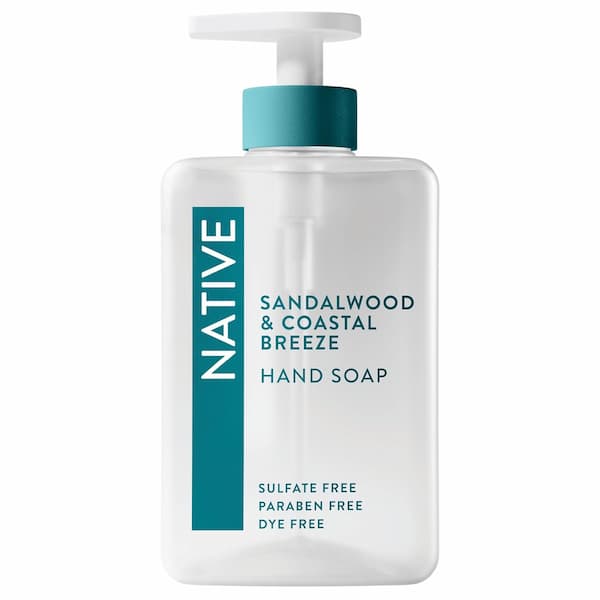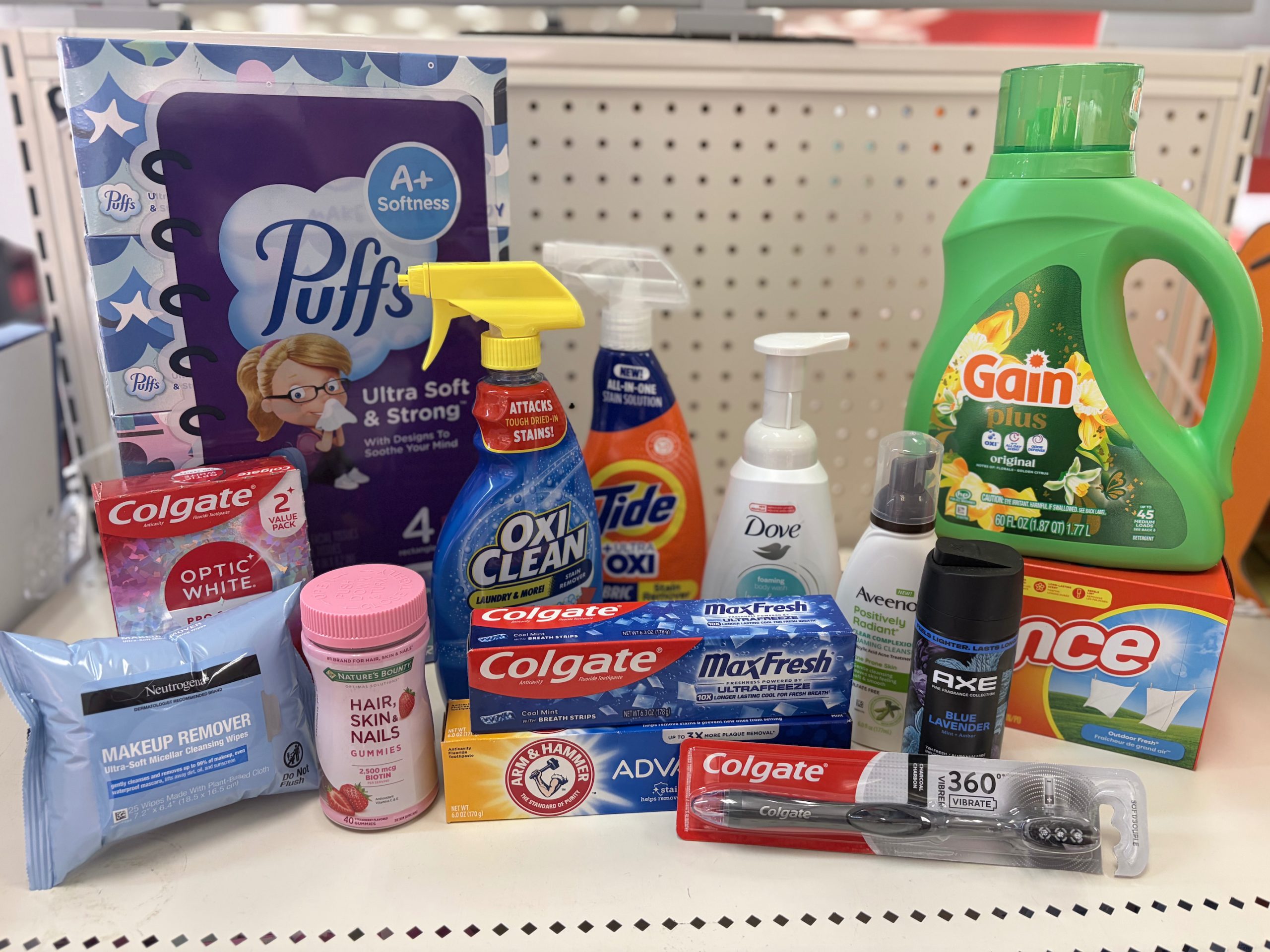
Have you ever added something extra to your online cart so you’d qualify for free shipping? Bought five items to get a multi-item discount? Spent $100 in a store so you could use a $20-off coupon?
Guess what? You’re “spaving.”
Marcel Miu, a certified financial planner in Austin, Texas, admits to “spaving” when he’s trying to meet an order minimum. He has a small child and often orders things from Amazon that he needs the next day.
“But you have to go over the $35 minimum,” he says. “So that just forces you to buy more stuff.”
Is it extra clutter? Not necessarily — spaving doesn’t have to be a money suck, depending on how you use it.
“It’s a bit of a calculation that somebody needs to do in order to determine if the juice is worth the squeeze,” Miu says. “I’m sure there have been many instances where I probably could’ve deferred the additional purchase and just waited a little longer.”
Meet MoneyNerd, your weekly news decoder
So much news. So little time. NerdWallet’s new weekly newsletter makes sense of the headlines that affect your wallet.
SUBSCRIBE FOR FREE
The psychology of the spaving trap
Spaving happens because people don’t like paying money for something they could’ve gotten for free, or for less. Because it’s so commonplace to get free shipping, we balk at paying a fee — and will order extra toilet paper or another pack of socks to get around it.
“When a website tells us we are only $15 away from a reward, it creates an open loop,” Miu says. “Human psychology hates open loops. We buy the extra item just to finish the task and get the dopamine hit of a victory.”
Retailers have done their research, and free shipping minimums are carefully crafted. “You’re not going to beat them at their own tricks,” says Andrea Woroch, a money-saving expert who shares budgeting tips on her website, andreaworoch.com. “They know if they put that shipping minimum on their orders, that most people are going to spend more.”
This creates a “just one more item” association, says KJ Dykema, a financial consultant in Seattle and founder of retirement planning site Family Retirement. “When you go in the next time, you can’t just buy one thing — you know you’re sitting down and getting five.”
The financial and physical clutter costs
Miu calls this “forward paying,” meaning you’re bringing spending forward that could likely have been delayed for months.
But if you’re adding an extra pair of flip flops or pajamas to your cart, and you didn’t really need them, spaving may be costing you extra over time.
And if you’re frequently over-buying household essentials, you may also find that your pantry (or basement or garage) is getting overcrowded. And physical clutter has its own consequences.
“I went on a subscription service, totally forgot I went on this subscription service for paper towels, saving $2,” Dykema says. “I now have three boxes of paper towels. Twenty-four packs.”
How to use spaving judiciously
For instance, take a 24-hour break before hitting “purchase” on impulse buys. Or bookmark an item on social media so you can come back to it later if you still really want it.
“Give yourself time to think through the purchase,” Woroch says. “Is it something you need? Do you have something like this already?”
Take regular inventory of what you have, which may help you avoid amassing a year’s worth of nonperishables. “Do you have packages or things that still have tags on them?” Dykema says. “How much is your back stock of that product?”
One more tip: Delete payment information from your browsers and apps so you have to scrounge for your credit card every time you make a purchase, Woroch says. That gives you time to think.
Once you’re aware of the tactics being used to get you to spend more, you can decide whether the “savings” are actually worth it.
“We have to understand that these sellers are very aware of this dynamic,” Miu says. “And the more we are educated to understand it, the more we can try to get ahead of it.”
NerdWallet writers are subject matter authorities who use primary,
trustworthy sources to inform their work, including peer-reviewed
studies, government websites, academic research and interviews with
industry experts. All content is fact-checked for accuracy, timeliness
and relevance. You can learn more about NerdWallet’s high
standards for journalism by reading our
editorial guidelines.
About the author

Kate Ashford is a writer and spokesperson for NerdWallet. She is a wealth management specialist (WMS)™ and certified senior advisor (CSA)® and has more than 20 years of experience writing about personal finance. Previously, she was a freelance writer for both consumer and business publications, and her work has been published by the BBC, Forbes, Money, AARP, LearnVest and Parents, among others. She has a degree from the University of Virginia and a master’s degree in journalism from Northwestern’s Medill School of Journalism. Kate has been quoted by outlets including the Associated Press, MarketWatch, NBC and Fortune. She is based in New York.