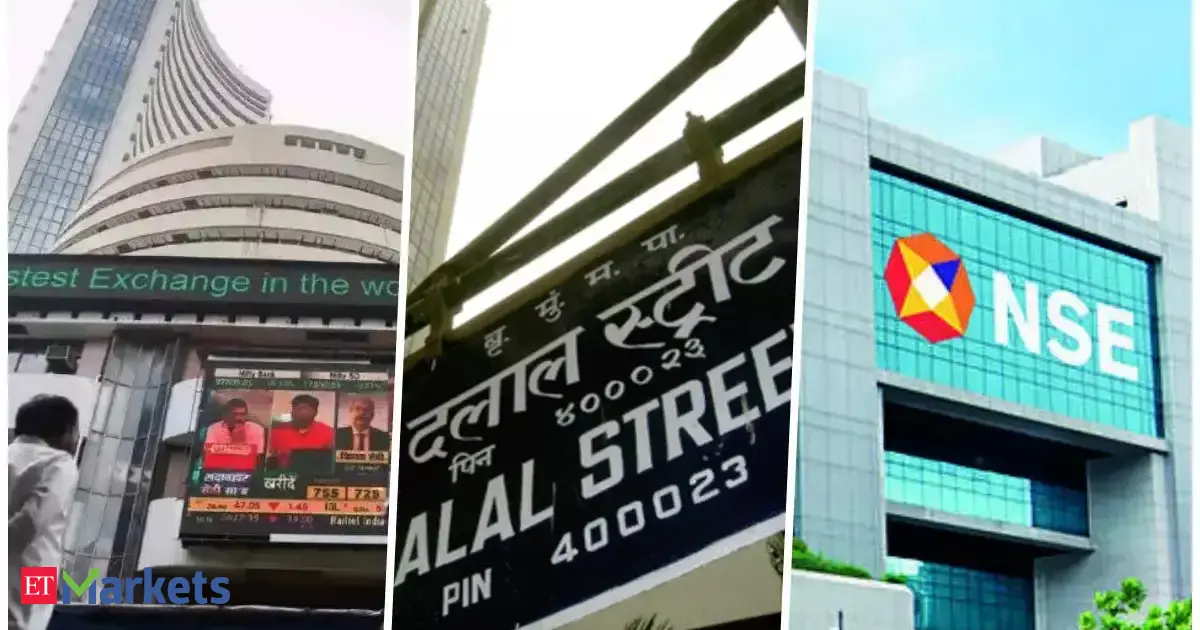
The National Stock Exchange (NSE) and BSE follow a pre-declared holiday calendar, and March 3 was the designated closure for Holi this year. Although many states are expected to celebrate Holi on March 4, trading will proceed as usual across equity, derivatives and currency segments.
In 2026, Indian exchanges will remain closed for a total of 15 days, covering a mix of national and religious occasions.
The next closures will be Ram Navami on March 26 and Mahavir Jayanti on March 31. In April, trading will remain suspended on Good Friday, April 3, and Ambedkar Jayanti on April 14. Maharashtra Day on May 1 will also be a holiday.
Bakri Id on May 28 and Muharram on June 26 will mark additional closures in the first half of the year. In the second half of 2026, markets will be shut for Ganesh Chaturthi on September 14 and Gandhi Jayanti on October 2. Dussehra will be observed on October 20, followed by Diwali Balipratipada on November 10 and Guru Nanak Jayanti on November 24. The final trading holiday of the year will be Christmas on December 25.
Independence Day, August 15, falls on a weekend in 2026, so there will be no additional market closure beyond the regular Saturday break. Also Read | Silver and gold ETFs jump upto 18% as US-Israel attacks on Iran fuel safe-haven demand. What should investors do?
What next for Indian markets?
The holiday comes amid heightened volatility in domestic equities. On Monday, markets witnessed sharp selling pressure, losing more than 1% amid weak global cues and escalating geopolitical tensions in West Asia. The Nifty opened with a gap down and extended losses during the session before trimming some decline in the final hour to settle at 24,865.
The fall was broad-based. Auto, realty and energy stocks led the losses, while only a few defensive names and select metal stocks showed resilience. Broader markets also remained under pressure, with mid-cap and smallcap indices slipping by more than 1.5%, reflecting widespread caution among investors.
Investor sentiment has deteriorated following a surge in crude oil prices amid Middle East tensions. The spike in oil has raised concerns over inflation, currency pressure and a higher import bill for India, weighing on equities. Volatility indicators have also moved higher as participants reduced exposure amid fears of further escalation.
Ajit Mishra, Senior Vice President of Research at Religare Broking, said the recent decline has pushed the Nifty closer to its swing low around 24,600.
“A decisive break below this could extend the correction towards the 24,400 mark. On the upside, the 25,000 to 25,250 zone is likely to act as an immediate hurdle in case of any recovery,” he said. Mishra advised investors to maintain a cautious stance, keep position sizes light and focus on disciplined risk management given the current volatility.
(Disclaimer: Recommendations, suggestions, views and opinions given by the experts are their own. These do not represent the views of The Economic Times.)