Add Silicon Canals to your Google News feed. 
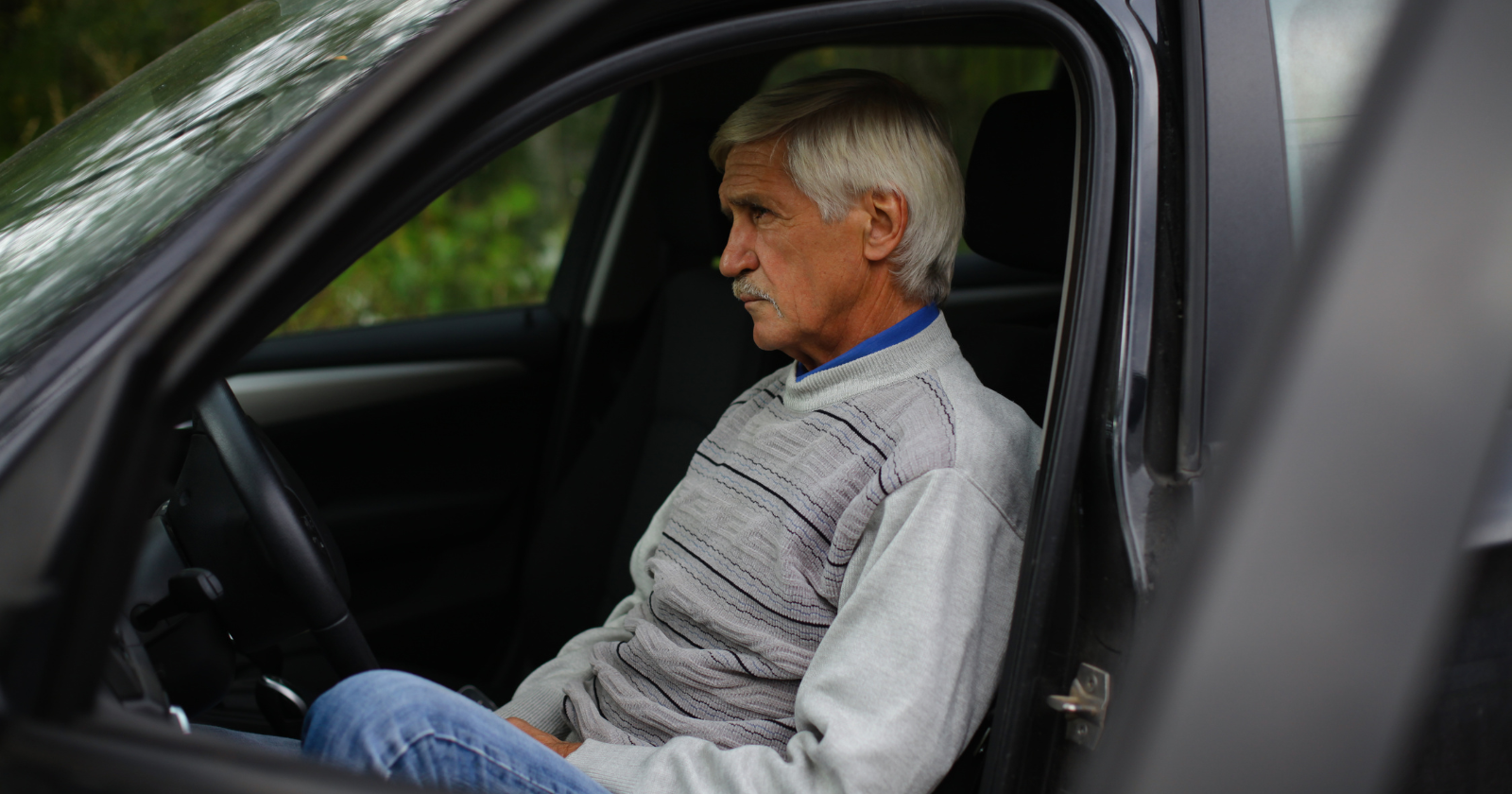
I watched my neighbor pull into his driveway yesterday evening. Engine off. Lights still on. Just sitting there in the driver’s seat, hands still on the wheel, staring straight ahead at his garage door. Ten minutes passed before he finally opened the car door and headed inside.
I get it. I’ve been that guy.
For forty years, I was an electrician. Started as an apprentice at eighteen, straight out of high school. Built a business, raised a family, did what I was supposed to do. And somewhere along the way, I discovered that those few minutes alone in the car were the only time nobody needed me to be anything.
Not a husband. Not a father. Not a boss. Not a provider. Just a guy sitting in a car, catching his breath before walking through that front door and becoming everything to everyone again.
The weight nobody talks about
My generation of men doesn’t talk about this stuff. We were raised to shut up and get it done. Provide. Protect. Perform. That’s the deal.
But here’s what happens when you spend decades being the rock everyone leans on: you forget you’re allowed to be tired.
I spent most of my working life believing that real men don’t talk about their feelings. Unlearning that has been the hardest project of my life. Harder than any electrical job I ever tackled.
The car becomes this weird sanctuary. It’s the transition zone between work-you and home-you. Between the guy who has to have all the answers and the guy who sometimes doesn’t know what the hell he’s doing.
In those ten minutes, you’re not late for dinner. You’re not missing another soccer game. You’re not falling behind on the mortgage. You’re just sitting there, existing, without having to explain yourself to anyone.
The emergency call that changed everything
I had a rough stretch in my late thirties. Working seventy-hour weeks. Coming home after everyone was asleep. Leaving before they woke up.
My wife told me she felt like a single mother. Those words hit harder than any shock I ever took on the job.
But what really got me was missing my son’s high school graduation rehearsal. Emergency call-out. Big commercial job. The kind of money you don’t turn down when you’ve got bills to pay.
I can still see his face when I got home that night. He didn’t yell. Didn’t slam any doors. Just looked at me and said, “It’s fine, Dad. I didn’t expect you to be there anyway.”
That’s when I started taking those extra minutes in the car. Not because I was avoiding my family. Because I needed to figure out how to stop being the guy who was always letting someone down.
Why your father needs those minutes
Men my age were programmed to be providers first, people second. We measured ourselves by our paychecks, our job titles, our ability to fix things and solve problems.
Nobody taught us how to just be.
So we sit in our cars, in that space between obligations, and we try to remember who we are underneath all the roles we play.
Your father isn’t checking his phone in there. He’s not listening to the radio. He’s sitting with forty years of accumulated weight on his shoulders, trying to set it down for just a few minutes before he picks it back up and walks through that door.
He’s thinking about the promotion he didn’t get twenty years ago. The friend he hasn’t called in six months. The doctor’s appointment he’s been putting off. The dream he gave up to be responsible.
These aren’t complaints. They’re just the facts of a life lived according to someone else’s scorecard.
The loneliness of being needed
There’s a particular kind of loneliness that comes from being needed all the time. Sounds backwards, right? How can you be lonely when everyone wants something from you?
But that’s exactly the problem. When people only see you as a function—provider, fixer, problem-solver—you start to disappear as a person.
I spent decades being “the guy who could fix it.” Need your wiring checked? Call me. Need overtime covered? I’m your man. Need someone to handle it? That’s what I do.
After a while, you forget that you’re allowed to not have the answers. You’re allowed to be uncertain. You’re allowed to be scared.
But where do you put those feelings when everyone’s counting on you to be solid?
You put them in those ten minutes in the car. You sit with them in the driveway, engine off, world on pause.
What happens when the roles disappear
I retired a couple of years ago. Thought I’d be relieved. No more emergency calls. No more impossible deadlines. No more being everything to everyone.
Instead, I felt lost.
Without the work, without the constant demands, I had to face a question I’d been avoiding for forty years: Who am I when nobody needs me to be anything?
These days, I sit on the front porch with my coffee most evenings. I wave at neighbors. Watch the street. And I see the same guys pulling into their driveways, taking those same few minutes before going inside.
We nod at each other sometimes. A silent acknowledgment. We get it.
The car isn’t just a car. It’s the decompression chamber. It’s the place where you can stop performing for a few minutes. Where you can admit, if only to yourself, that you’re tired. That you’re human. That sometimes you don’t know if you’re doing any of this right.
Bottom line
If your father sits in the car for ten minutes after pulling into the driveway, leave him be. He’s not avoiding you. He’s not angry. He’s not checked out.
He’s trying to reconcile the man he thought he’d be with the man he became. He’s setting down forty years of other people’s expectations so he can walk through that door and be present for dinner.
Those ten minutes might be the only time all day when he remembers he’s a person, not just a role.
And maybe, just maybe, he’s finally learning what took me sixty-four years to figure out: that being needed and being known are two different things. And we spent so much time on the first one, we forgot about the second.