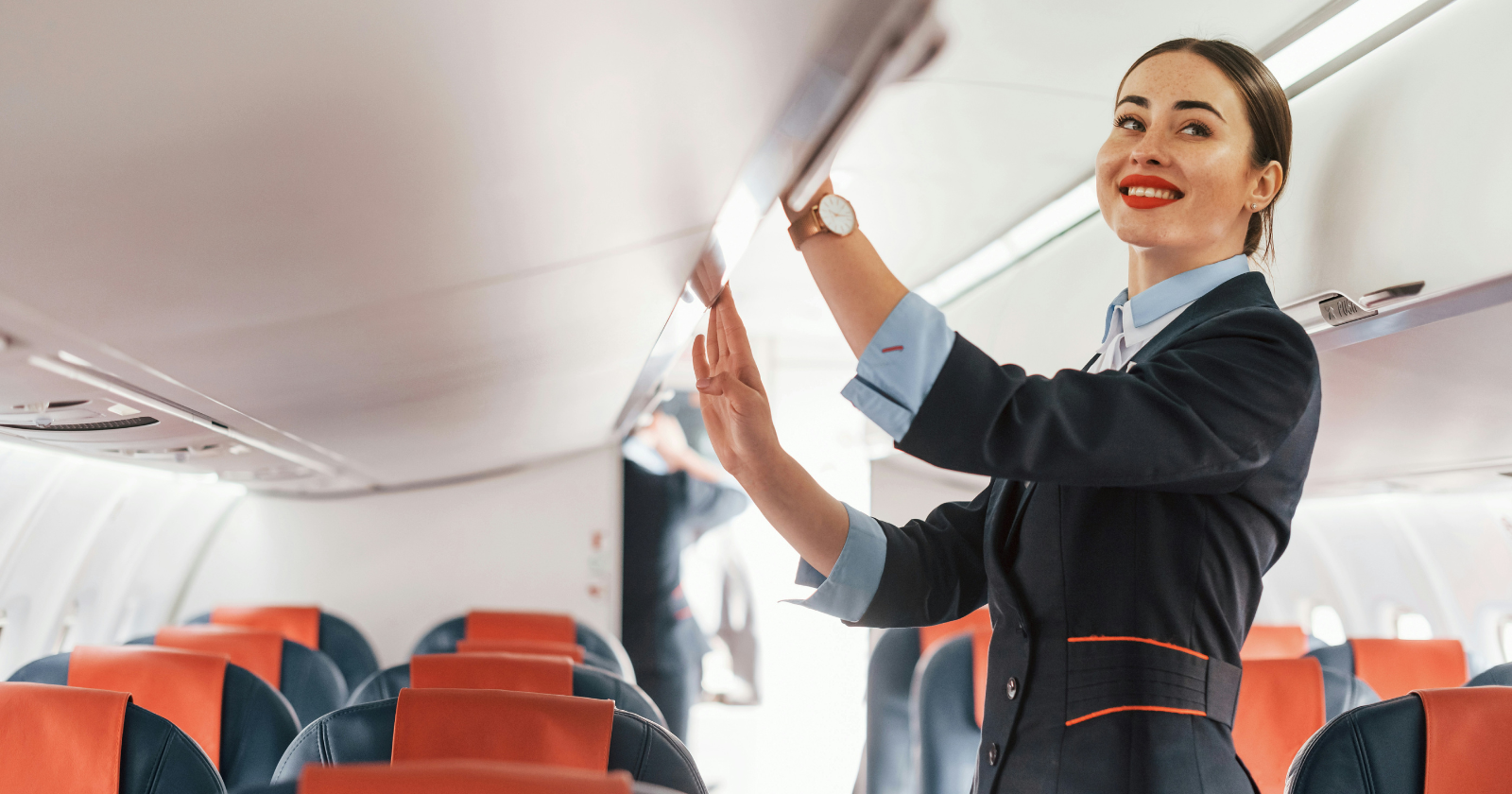
Ever notice how some passengers seem to get that extra smile, the first round of drinks, or a helping hand with their luggage while others get… well, standard service?
I used to think it was random until a friend who’s been a flight attendant for fifteen years let me in on a secret during one of our regular coffee catch-ups.
“We size up every single passenger before the plane even leaves the gate,” she told me, stirring her latte. “Not in a judgmental way, but because knowing certain things about you helps us do our job better—and sometimes, it determines who gets what kind of service.”
After that conversation, I couldn’t stop thinking about it. So I did what I always do when something fascinates me: I dug deeper. I reached out to more flight attendants, scoured industry forums, and even paid closer attention during my own flights. What I discovered was fascinating. Flight attendants are essentially behavioral analysts at 30,000 feet, and they start their assessment the moment you step on board.
Here are seven things they pick up on that directly influence how they interact with you during your flight.
1. Your boarding behavior sets the tone
The moment you step onto that plane, flight attendants are watching. Are you the person who barrels down the aisle with your oversized bag, knocking into seats? Or do you make eye contact, maybe offer a quick “hello” as you pass by?
One flight attendant I spoke with put it bluntly: “Those first thirty seconds tell me everything. The passenger who acknowledges us as humans instead of furniture? They’re getting checked on more often. The one who’s already complaining about overhead space before finding their seat? We know they’ll be high-maintenance.”
It’s not about being fake-cheerful or over the top. Simple acknowledgment goes surprisingly far. Think about it—these professionals deal with hundreds of people daily, many of whom treat them like part of the airplane equipment. When you break that pattern, even slightly, you stand out.
2. They can spot anxiety from a mile away
White knuckles gripping the armrest. Rapid breathing. That wide-eyed look when the plane makes any sound. Flight attendants are trained to identify nervous flyers immediately, and this knowledge shapes their entire approach to you.
“We make mental notes during boarding,” another flight attendant shared with me. “If someone seems nervous, we’ll often make an extra effort to explain sounds during takeoff, check in on them more frequently, or even sit and chat for a moment if we have time.”
I’ve seen this in action. On a particularly turbulent flight last year, I watched a flight attendant spend several minutes reassuring a visibly shaken passenger, explaining exactly what was causing the bumps and why it was completely normal. That same flight attendant barely acknowledged the businessman in 2A who’d been barking drink orders since boarding.
3. Your travel status shows (and it matters)
You might think that fancy gold tag on your luggage or your priority boarding pass only matters at the gate. Think again. Flight attendants know exactly who their frequent flyers are, and not just from the manifest.
“Experienced travelers move differently,” one veteran flight attendant explained. “They know where things go, they’re already prepared for security demonstrations, they have their own routines. We can tell who flies twice a year versus twice a week.”
But here’s what surprised me: it’s not always the frequent flyers who get the best treatment. Sometimes, flight attendants go out of their way to help obviously inexperienced travelers precisely because they need it more. The key difference? Attitude. An entitled frequent flyer often gets less attention than a polite first-timer.
4. They notice who’s been drinking
This one should be obvious, but it goes deeper than you might think. Flight attendants aren’t just watching for drunk passengers; they’re assessing alcohol consumption patterns from the moment you board.
Did you hit the airport bar hard before boarding? Are you the person who immediately orders two drinks during the first service? They’re tracking this, and it absolutely affects whether you’ll get that third beer you’re asking for.
“We can smell it, see it in how you move, hear it in how you talk,” a flight attendant told me. “And we share this information with each other. If I notice someone’s had a few before boarding, I’m letting my colleagues know to keep an eye on them.”
The implications go beyond just drink service. Intoxicated passengers might not get help with their bags, might be passed over for certain amenities, and are definitely being monitored more closely throughout the flight.
5. Your interactions with other passengers matter
Think your behavior only matters when you’re dealing directly with crew? Wrong. Flight attendants are constantly observing passenger-to-passenger interactions, and these observations influence their service decisions significantly.
Are you the person helping someone struggle with their bag? Did you switch seats graciously so a family could sit together? Or are you the one loudly complaining about the crying baby three rows back?
“Kindness to other passengers is like a green flag for us,” one flight attendant revealed. “We remember the helpers. When I have an extra amenity kit or a better meal option, guess who’s getting it?”
6. They read your body language about personal space
How you handle the cramped quarters of an airplane speaks volumes. Flight attendants quickly identify the space invaders—those who spread into the aisle, hog armrests, or recline aggressively without checking behind them.
“We see everything from our vantage point,” a senior flight attendant explained. “The person who’s conscious of others’ space, who keeps their stuff contained, who’s respectful about reclining—they’re easier to work around and more pleasant to serve.”
This awareness extends to how you react when they need to squeeze past you in the aisle. Do you acknowledge them and try to make room, or do you act annoyed at the inconvenience? These micro-interactions add up.
7. Your preparedness level is immediately obvious
Within seconds, flight attendants can tell if you’re the organized traveler or the chaos agent. Do you have your documents ready? Are you holding up the boarding line fumbling for your phone? Did you think about what you’d need during the flight before stuffing your bag overhead?
“The prepared passengers make our jobs easier,” one flight attendant admitted. “They’re not the ones pressing the call button because they forgot to grab their headphones. They’re not asking for blankets after we’ve already done service. When I have extra time to provide better service, it’s going to the passengers who respect our workflow.”
Final thoughts
After diving deep into this world of mile-high psychology, I’ve completely changed how I approach flying. It’s not about gaming the system or putting on an act. It’s about recognizing that flight attendants are professionals doing a demanding job, and how we behave directly impacts their ability to do it well.
The patterns are clear: respect, awareness, and basic courtesy don’t just make you a better passenger—they often result in better service. It’s a reminder that in any service interaction, how we show up matters more than we might think. Next time you board a plane, remember: those friendly faces greeting you are taking notes, and those notes might just determine whether you get that extra bag of pretzels.









-1024x683.jpg "Strait Outta Hormuz: Getting the Iran Oil Story Straight")