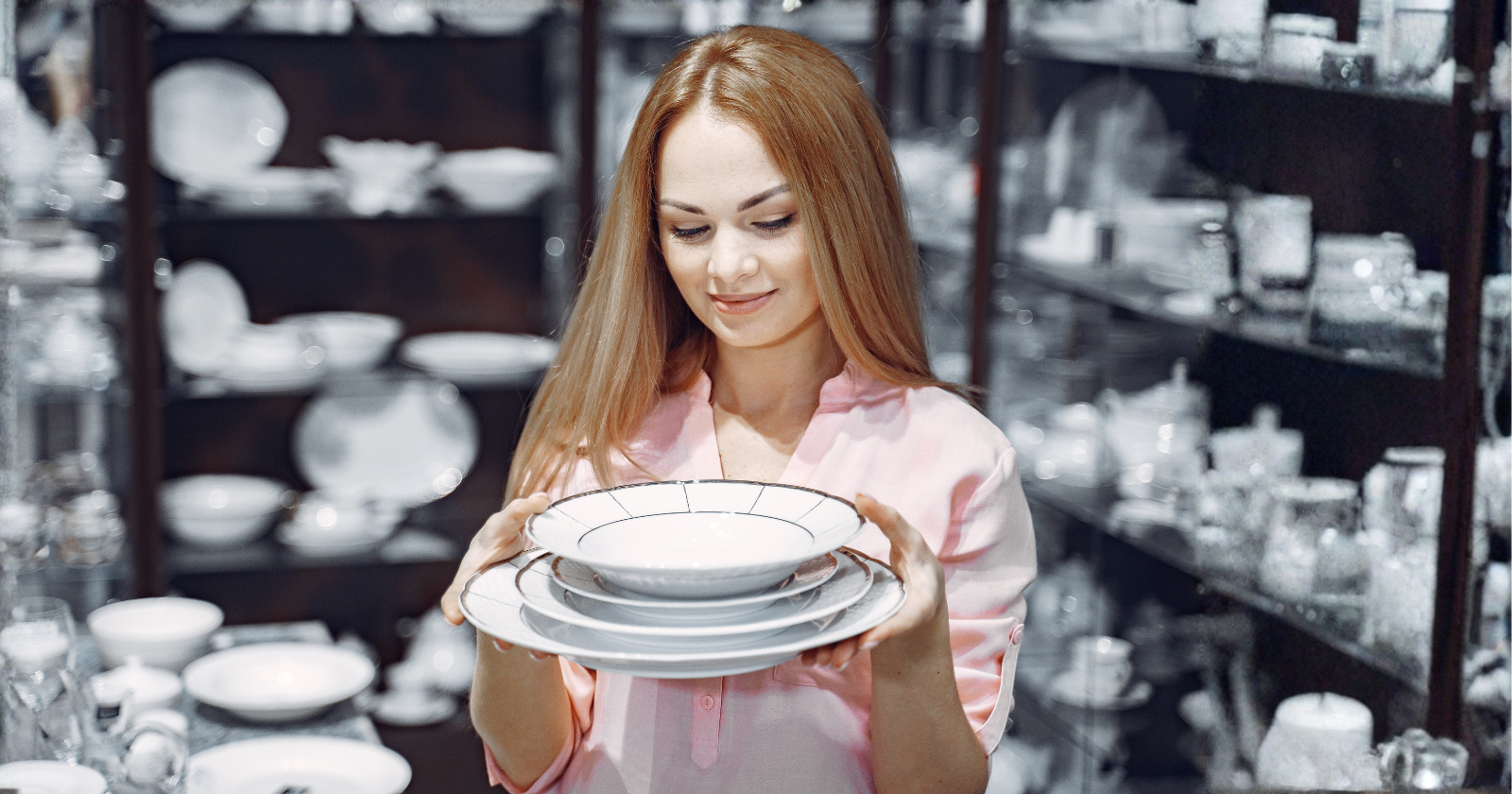
Growing up, I remember my mom pulling out the “good china” exactly twice a year: Thanksgiving and Christmas.
The rest of the time, those delicate plates with the gold trim sat in our dining room hutch, gathering dust behind glass doors. We’d eat off mismatched plates from Target while the expensive set waited for occasions that rarely came.
Last week, while helping a friend declutter her apartment, I watched her agonize over a set of crystal wine glasses she’d received as a wedding gift five years ago. Still in the box. “But what if we have a really special dinner party?” she asked. We both knew she hadn’t thrown a dinner party since 2019.
This got me thinking about all the things we save “for good” that never actually see the light of day. It’s like we’re all curators of museums nobody visits, preserving items for a future that keeps getting pushed back. The psychology behind this is fascinating—and a little heartbreaking. We assign value to objects, then protect that value so fiercely that we forget to actually enjoy what we have.
1. The fancy china and dinnerware
Let’s start with the obvious one. How many dining rooms across America house complete sets of china that get used maybe once a year, if that? These aren’t just plates; they’re investments, wedding gifts, family heirlooms passed down through generations.
We tell ourselves we’re saving them for special occasions, but what qualifies as special enough? A promotion? An anniversary? The visit from that relative who only comes every five years?
I think about my grandmother’s china, which my mom inherited and now sits in the same hutch, one generation removed from regular use. My grandmother actually used hers every Sunday. Somewhere along the way, we decided that everyday life wasn’t worthy of the good stuff.
Meanwhile, we’re eating takeout from paper containers, saving the china for a dinner party that exists only in our imagination.
2. The guest towels nobody can touch
You know the ones. They’re hanging in the bathroom, perfectly arranged, often with decorative embroidery or monograms.
Heaven forbid anyone actually dries their hands on them. We direct guests to the “regular” towels, leaving the fancy ones as bathroom art.
A friend once told me she got yelled at as a kid for using the guest towels when actual guests were over. The logic? Those were for “important” guests. Apparently, her parents’ friends didn’t make the cut.
Twenty years later, she has her own set of untouchable towels. The cycle continues.
3. The living room nobody lives in
Remember formal living rooms? That pristine space with the uncomfortable couch nobody sits on and the coffee table that’s never seen an actual coffee mug?
Growing up, our living room was basically a stage set for a life we weren’t actually living. The real living happened in the den with the old couch and the TV.
These rooms become shrines to an idealized version of ourselves—the ones who host sophisticated cocktail parties instead of binge-watching shows in sweatpants.
We vacuum them religiously, fluff the pillows nobody leans against, and meanwhile, the whole family crams into the one room with the comfortable furniture.
4. The expensive perfume or cologne
“This is too nice for work,” we tell ourselves, saving that expensive bottle for special occasions. Date nights. Anniversaries. Big events.
But here’s the thing about perfume: it actually goes bad. Those precious oils break down over time, and that $200 bottle you’ve been rationing for three years isn’t the same fragrance anymore.
I once found a bottle of perfume in my bathroom cabinet that I’d been “saving.” It had been a splurge purchase during a particularly rough period when I needed something to look forward to.
By the time I deemed an occasion special enough, the scent had turned. The metaphor was not lost on me.
5. The good jewelry
How much jewelry sits in boxes, waiting for occasions fancy enough to justify wearing it?
We’ll wear the same everyday pieces while the beautiful necklace from our wedding or that vintage brooch from grandma stays locked away. “It’s too nice for just going to dinner,” we say, as if our regular life doesn’t deserve beauty.
After my grandmother passed, I inherited some of her jewelry. For months, I kept it tucked away, thinking I needed the right moment.
Then I realized: she wore these pieces to the grocery store. To lunch with friends. She understood that any ordinary afternoon could be special enough.
6. The fancy clothes with tags still on
We’ve all got them. That dress that was perfect for a garden party you never attended. The suit that’s waiting for an interview for a job you’re not sure you want. The shoes that are too nice for anywhere you actually go.
Our closets become archives of the lives we thought we’d be living.
There’s something particularly sad about clothes that never get worn. They represent not just money spent, but hopes deferred. We buy them imagining future versions of ourselves — more social, more successful, more something — and then feel guilty when real life doesn’t match the fantasy.
7. The unused fancy kitchen appliances
The KitchenAid mixer in that perfect color. The expensive knife set. The copper pots that require special cleaning.
We register for them, receive them as gifts, or splurge on them during sales, then use our old reliable tools while the fancy ones become kitchen sculptures.
During my baking phase, I noticed this pattern in my own kitchen. I had a beautiful set of measuring cups that I never used because I didn’t want to get them dirty.
Instead, I used the plastic ones from the dollar store. The irony of having tools designed for use that were too precious to use wasn’t lost on me.
8. The special occasion candles
Expensive candles have become the ultimate “save it for later” item. Those $60 candles from fancy stores sit unlit while we burn tea lights from the grocery store.
We’re saving them for when we “really need to relax” or when company comes over, as if regular evenings don’t deserve ambiance.
The tragedy of the unburned candle is that it’s literally designed to be consumed. Its entire purpose is to be lit, to fill a room with scent, to create atmosphere. Instead, it becomes décor, its potential locked away in pristine wax.
Final thoughts
Here’s what I’ve learned: saving things “for good” is really about fear. Fear that we’ll run out, that we don’t deserve nice things in our daily life, that somehow weekday dinners don’t merit the china.
But life is happening now, in the everyday moments we’re so quick to label as ordinary.
Use the good towels. Light the expensive candle. Wear the perfume to the grocery store. Because the special occasion we’re waiting for? It’s today. It’s every day we’re here to enjoy what we have.
Those objects we’re preserving aren’t getting more valuable sitting in storage. If anything, we’re robbing them and ourselves of their purpose. The real waste isn’t using things up; it’s letting them sit unused while life passes by.











-1024x683.jpg "Strait Outta Hormuz: Getting the Iran Oil Story Straight")