Winter is one of the toughest seasons for cars, and many seniors are surprised by how quickly cold‑weather expenses add up. Retirees who drive less often may assume their vehicles won’t need much winter maintenance. But freezing temperatures, icy roads, and seasonal wear can create unexpected costs that strain fixed incomes. Many older adults only discover these expenses when something breaks or fails. Understanding these hidden winter car costs helps seniors stay prepared.
1. Battery Replacements During Freezing Temperatures
Cold weather is hard on car batteries, and many seniors forget that winter can shorten a battery’s lifespan dramatically. A battery that worked fine in fall may fail suddenly once temperatures drop. Retirees who don’t drive often are especially vulnerable because infrequent use weakens the battery further. Replacing a dead battery can cost anywhere from $100 to $250, depending on the vehicle. This is one of the most common winter car expenses seniors overlook.
2. Higher Fuel Costs From Winter Gas Formulas
Gas stations switch to winter‑grade fuel, which burns faster and reduces mileage. Seniors may notice they’re filling up more often, even if they’re driving the same amount. Winter idling to warm up the car also increases fuel consumption. Retirees on fixed incomes often feel the impact of these small but steady increases. Winter fuel costs add up quickly without seniors realizing why.
3. Tire Replacements or Upgrades for Snow and Ice
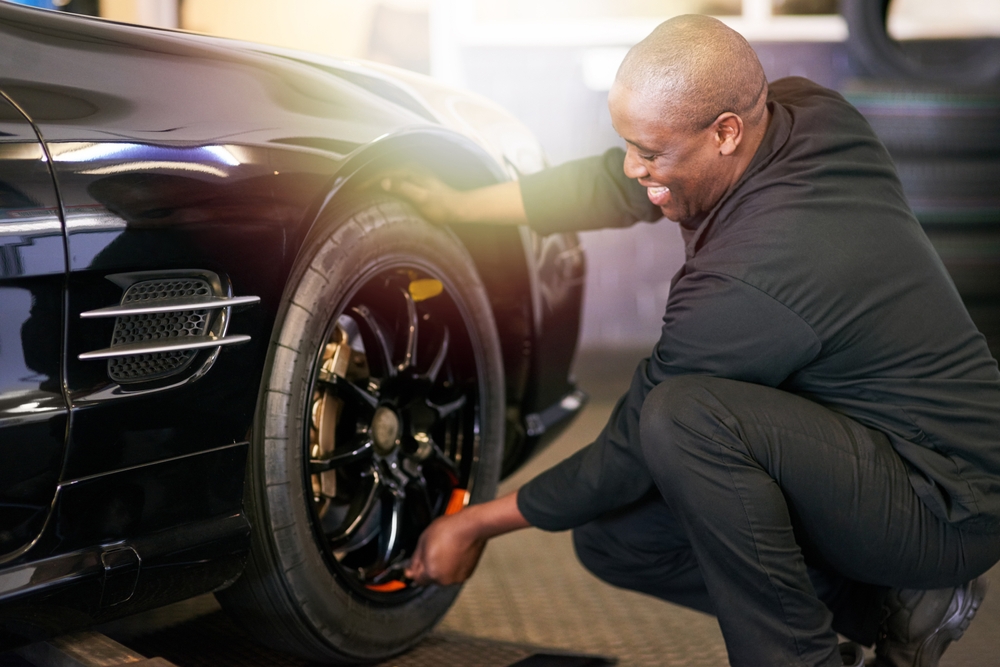
Many seniors forget that winter tires or all‑weather upgrades can be essential in snowy regions. Regular tires lose traction in cold temperatures, increasing the risk of slipping or skidding. Retirees who live in snowbelt states may need to invest in winter tires, which can cost several hundred dollars. Even those who already own winter tires may need replacements due to age or wear. Tire expenses are one of the biggest winter surprises for older drivers.
4. Increased Oil Change Frequency
Cold weather thickens motor oil, making it harder for engines to run smoothly. Seniors who delay oil changes may face engine strain or reduced performance. Some vehicles require winter‑specific oil blends that cost more than standard options. Retirees who don’t drive often may forget that time—not just mileage—determines when oil needs to be changed. Winter oil maintenance is an expense many seniors underestimate.
5. Wiper Blade and Washer Fluid Replacements
Winter storms put extra strain on wiper blades, causing them to crack or streak sooner than expected. Seniors often don’t realize how quickly winter weather wears down these essential parts. Washer fluid also runs out faster due to salt, slush, and dirty roads. Replacing blades and refilling fluid may seem minor, but the costs add up over the season. Clear visibility is essential for safe winter driving.
6. Brake Wear From Snowy and Icy Roads
Winter driving requires more frequent braking, especially on slippery roads. Seniors may not notice the gradual wear until they hear grinding or feel reduced stopping power. Brake repairs can be expensive, especially if rotors need replacement. Retirees who drive in hilly or icy areas face even faster brake wear. Winter brake maintenance is a cost many older adults forget to budget for.
7. Unexpected Towing or Roadside Assistance Fees
Cold weather increases the likelihood of breakdowns, dead batteries, and flat tires. Seniors who don’t have roadside assistance coverage may face high towing fees. Even those with coverage may discover winter surcharges or long wait times. Retirees who travel during the holidays are especially vulnerable to unexpected towing costs. Winter emergencies can quickly become expensive without proper preparation.
8. Cabin Heater or Defroster Repairs
A working heater and defroster are essential for winter driving, but many seniors don’t realize these systems can fail unexpectedly. Repairs can be costly, especially if the issue involves the blower motor or heater core. Retirees often discover problems only when temperatures drop and the system struggles to keep up. Driving without proper heat is unsafe and uncomfortable. Heater repairs are one of the most overlooked winter car expenses.
9. Rust Prevention and Underbody Treatments
Salt and chemicals used on winter roads can cause rust and corrosion, especially on older vehicles. Seniors who skip rust‑proofing treatments may face expensive repairs later. Underbody washes and protective coatings help prevent long‑term damage but come with seasonal costs. Retirees who live in snowy regions often underestimate how quickly rust can spread. Winter corrosion prevention is an investment many seniors forget to make.
10. Higher Insurance Deductibles After Winter Accidents
Winter accidents are more common due to icy roads and reduced visibility. Seniors who file claims may face higher deductibles or increased premiums. Even minor fender‑benders can lead to unexpected out‑of‑pocket expenses. Retirees who haven’t reviewed their policies may be surprised by winter‑specific coverage gaps. Insurance‑related costs are often the most expensive winter car expenses seniors overlook.
Winter Car Costs Add Up Quickly for Seniors
Winter may bring beautiful scenery, but it also brings hidden car expenses that can strain a senior’s budget. Batteries, tires, brakes, and heating systems all face extra stress during cold weather. Retirees who prepare early can avoid many of the surprise costs others face. Winter driving requires more maintenance, more caution, and more planning. Awareness helps seniors stay safe and financially secure throughout the season.
If you’ve faced an unexpected winter car expense, share your experience in the comments—your story may help another senior prepare for the season.
You May Also Like…

Teri Monroe started her career in communications working for local government and nonprofits. Today, she is a freelance finance and lifestyle writer and small business owner. In her spare time, she loves golfing with her husband, taking her dog Milo on long walks, and playing pickleball with friends.













-1024x683.jpg "Strait Outta Hormuz: Getting the Iran Oil Story Straight")