No Result
View All Result
  • Login
Saturday, March 21, 2026
FeeOnlyNews.com
  • Home
  • Business
  • Financial Planning
  • Personal Finance
  • Investing
  • Money
  • Economy
  • Markets
  • Stocks
  • Trading
  • Home
  • Business
  • Financial Planning
  • Personal Finance
  • Investing
  • Money
  • Economy
  • Markets
  • Stocks
  • Trading
No Result
View All Result
FeeOnlyNews.com
No Result
View All Result
Home Money

Boomers Bought Homes for Peanuts, Now They’re Refusing to Sell And It’s Costing You

by FeeOnlyNews.com
5 months ago
in Money
Reading Time: 6 mins read
A A
0
Boomers Bought Homes for Peanuts, Now They’re Refusing to Sell And It’s Costing You
Share on FacebookShare on TwitterShare on LInkedIn


Image source: Pexels

The American dream of homeownership is hitting a dead end for younger generations—and no, it’s not just about interest rates or avocado toast. It’s about supply. More specifically, it’s about the homes that aren’t hitting the market because an entire generation (spoiler alert: it’s Baby Boomers) is refusing to sell.

For decades, Boomers bought homes at prices that, by today’s standards, seem almost comically low. A three-bedroom ranch in a good school district? $75,000 in the ’70s. A craftsman bungalow in a now-trendy urban neighborhood? Bought for less than the cost of a new compact car today. Fast-forward to 2025, and those same homes are now worth $400,000, $600,000—sometimes more. And yet, many of those properties remain off-limits to Millennials and Gen Z, not because they’re unaffordable (though many are) but because Boomers simply won’t move. And that refusal to sell is quietly reshaping the housing crisis in America, one locked-up property at a time.

How Boomers Holding On Is Affecting You

Why Boomers Aren’t Letting Go

On the surface, it may seem irrational. After all, isn’t retirement about downsizing, cashing in, and moving to the beach? That used to be the dream. But for many Boomers, that dream has changed.

Some of it is emotional. These homes are not just investments. They’re memory vaults. Children were raised there, holidays were hosted, and pets were buried in the backyard. The thought of leaving is more than a logistical inconvenience. It’s a loss of identity.

Then there’s fear. Many Boomers worry they won’t be able to find anything affordable if they sell. Downsizing isn’t what it used to be. Condos and retirement communities are now prohibitively expensive in many markets. And even if they did want to move, the headache of home hunting, packing, and relocating at an older age is enough to keep many in place.

Others are staying for practical reasons. Paid-off mortgages mean drastically lower living costs. Property tax laws in some states offer major breaks for long-term homeowners, making it cheaper to stay put. And for some, staying in the home also means proximity to adult children, healthcare providers, or community support systems.

The Ripple Effect on the Housing Market

The result? A massive chunk of the U.S. housing inventory is functionally frozen. These homes, often located in prime areas with family-friendly layouts, would typically enter the market as older generations age out of homeownership. Instead, they’re being withheld, sometimes for decades. In fact, recent reports suggest Boomers now own more real estate than any other generation, including Millennials, despite Millennials being the largest living demographic.

What that means for younger buyers is simple: less inventory. Fewer homes available leads to more competition, which drives up prices. Entry-level homes, in particular, are being hoarded, not intentionally, but effectively, by Boomers who have little incentive to leave.

This has contributed to bidding wars, inflated pricing, and unaffordable neighborhoods where younger families would typically start out. And in areas with already limited housing, it exacerbates rent prices too, since frustrated buyers are pushed into the rental market, increasing demand there as well.

When Homes Become Wealth Storage, Not Shelter

The bigger issue is philosophical: when homes stop functioning as shelters and start acting as untouchable wealth containers, society suffers.

For Boomers, their homes represent stability and a safety net. To Millennials and Gen Z, they represent a closed door. Many younger Americans aren’t just priced out. They’re blocked out by inventory that should be rotating through the market and isn’t.

This isn’t just a personal frustration. It’s an economic one. Stagnant housing means fewer opportunities for upward mobility. It delays family formation, limits geographic mobility for jobs, and pushes people into longer-term debt. The wealth gap widens as younger people pay more for less while the older generation sits on the appreciating assets.

This is also a socioeconomic concern, as there are typically greater barriers to homeownership for African-American and Latino people.  Thus, socio-demographic impacts on the housing market – such as the concentrated ownership of housing by Boomers may make existing structural barriers for minorities more pronounced.

But Is It Fair to Blame Boomers?

It’s easy to paint Boomers as villains in this narrative, but the truth is more nuanced. Many are staying put because it’s what makes the most financial and emotional sense for them. They’re not obligated to move just to accommodate market demand.

The real problem lies in policy. Zoning restrictions, lack of affordable senior housing options, and tax structures that discourage selling all contribute to this gridlock. If society wants homes to flow more freely between generations, there needs to be incentives—financial and practical—for Boomers to downsize or relocate.

Until then, blaming individuals for making rational personal decisions ignores the structural traps that make those decisions seem like the only option.

What Can Be Done?

Solving the generational housing squeeze will require action on multiple fronts. Cities need to rethink zoning laws to allow for more flexible housing options, including multi-generational homes and accessible downsizing opportunities. States could offer tax credits or relocation assistance for seniors willing to sell or convert their property to a duplex or rental.

There’s also a cultural shift needed. The idea that one must live and die in the same house is no longer sustainable in an economy where housing is finite and mobility is essential. If we don’t normalize the idea of lifecycle housing—where people move to suit their current needs rather than emotionally anchoring to a past phase of life—we risk turning homeownership into a generational privilege instead of a societal goal.

Younger Generations Are Adapting, But At What Cost?

In response, Millennials and Gen Z are adjusting their expectations.  Many are investing in alternatives to real estate, such as stocks or bonds. And some are pooling resources with friends or family to buy homes together. Others are moving to less competitive rural or suburban areas. Some are embracing permanent renting, resigning themselves to a life without home equity.

These adaptations are resourceful, but they come with trade-offs: fewer roots, less security, and often longer commutes or limited access to opportunity. The American dream isn’t dead. It’s just being redefined. But without broader structural changes, it may remain out of reach for millions.

Something Needs to Change For Younger Generations

The housing crisis isn’t just about cost. It’s about flow. Until we can loosen the grip on locked-up properties and create a system where homes are available when people need them, younger generations will keep fighting an uphill battle.

How do you think we can fairly unlock housing opportunities across generations? What policies or incentives would actually move the needle?

You Might Also Enjoy…

Nine Surprising Reasons Why Baby Boomers Aren’t Leaving Much Wealth To The Next Generation

Financial Advice Boomers Swear By That Doesn’t Work Today

Why Baby Boomers Are Hoarding Wealth While Their Kids Can’t Afford Groceries

Should Boomers Still Be Making Laws About a Future They Won’t Live In?

Why Millennials Will Die With Debt, And Get The Blame For It

Editors Note: Earlier drafts of this article were written with the assistance of AI, a human edited and fact checked the final story. 



Source link

Tags: boomersboughtcostingHomesPeanutsrefusingSelltheyre
ShareTweetShare
Previous Post

Her 401(k) Contributions Vanished—and Her Company Had No Answers

Next Post

38 Zero-Effort Side Hustles That Could Add $500+ to Your Wallet This Month—Start Earning Today!

Related Posts

Urgent Recall: 180,000 Ovens Pulled Over Burn Risk—Check Your Kitchen Now

Urgent Recall: 180,000 Ovens Pulled Over Burn Risk—Check Your Kitchen Now

by FeeOnlyNews.com
March 20, 2026
0

If you’ve bought a new oven in the past year, this is one alert you can’t afford to ignore. More...

The 350-Home Rule—How the New ‘ROAD to Housing Act’ Could Force Corporations Out of Your Neighborhood

The 350-Home Rule—How the New ‘ROAD to Housing Act’ Could Force Corporations Out of Your Neighborhood

by FeeOnlyNews.com
March 20, 2026
0

If you’re like many hopeful homeowners in America right now, you probably feel like you’ve been competing against corporations that...

Why 500K+ Affordable Rental Homes are Quietly Vanishing from Rural Communities

Why 500K+ Affordable Rental Homes are Quietly Vanishing from Rural Communities

by FeeOnlyNews.com
March 20, 2026
0

If you think the housing crisis is only a big-city problem, think again. Across rural America, affordable rental homes are...

The Pros and Cons of Taking Social Security at 62, 67 and 70

The Pros and Cons of Taking Social Security at 62, 67 and 70

by FeeOnlyNews.com
March 20, 2026
0

Deciding when to start your Social Security benefits is one of the most consequential choices you will ever make. It...

5 Low-Effort Side Hustles You Can Actually Do While Watching TV

5 Low-Effort Side Hustles You Can Actually Do While Watching TV

by FeeOnlyNews.com
March 20, 2026
0

We all value our downtime. After a long day, sinking into the couch and turning on your favorite show is...

Making sense of the Bank of Canada interest rate decision on March 18, 2026

Making sense of the Bank of Canada interest rate decision on March 18, 2026

by FeeOnlyNews.com
March 20, 2026
0

This means the Bank’s overnight lending rate will remain at 2.25%, with the prime rate used by lenders—also set based...

Next Post
38 Zero-Effort Side Hustles That Could Add 0+ to Your Wallet This Month—Start Earning Today!

38 Zero-Effort Side Hustles That Could Add $500+ to Your Wallet This Month—Start Earning Today!

Will a supply wave hit BTC?

Will a supply wave hit BTC?

  • Trending
  • Comments
  • Latest
York IE Appoints Chuck Saia to its Strategic Advisory Board

York IE Appoints Chuck Saia to its Strategic Advisory Board

February 18, 2026
Judge orders SEC to release data behind B in WhatsApp fines

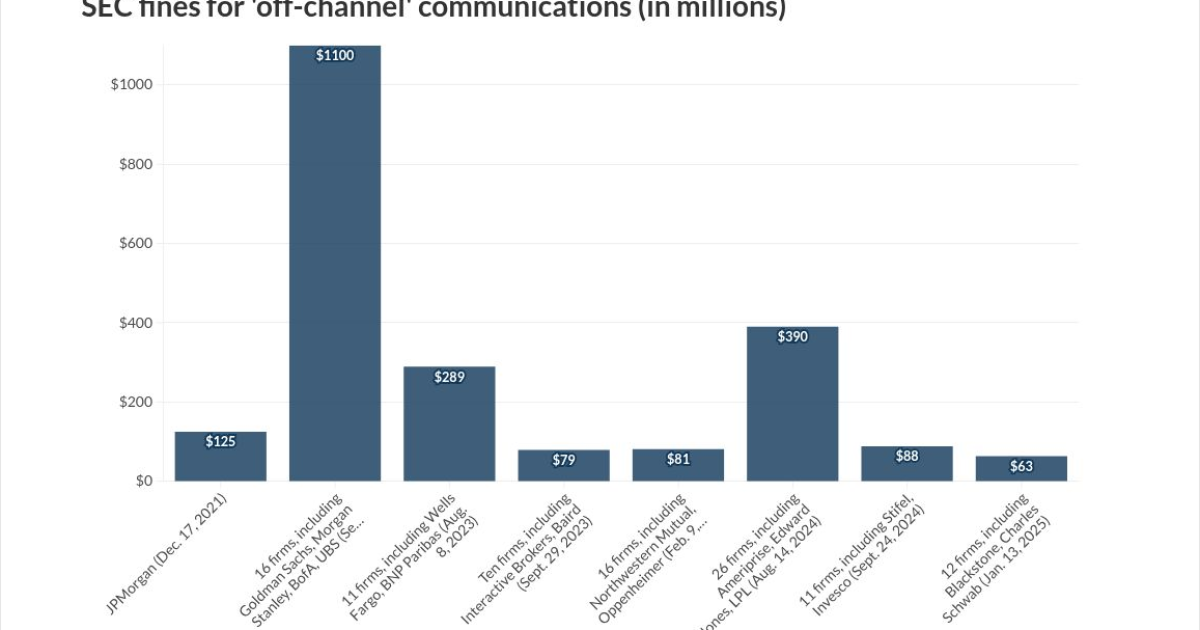
Judge orders SEC to release data behind $2B in WhatsApp fines

March 10, 2026
8 Cost-Cutting Moves Retirees Are Sharing Online in February

8 Cost-Cutting Moves Retirees Are Sharing Online in February

February 14, 2026
3 Grocery Chains That Give Seniors a “Gas Bonus” for Every  Spent

3 Grocery Chains That Give Seniors a “Gas Bonus” for Every $50 Spent

March 15, 2026
8 Procedures That Can Be Cheaper Without Insurance

8 Procedures That Can Be Cheaper Without Insurance

February 14, 2026
FPA partners with Snappy Kraken to update PlannerSearch

FPA partners with Snappy Kraken to update PlannerSearch

February 25, 2026
The Interesting Lies of Samuelson: How We Naively Believed the Case of Giffen Goods

The Interesting Lies of Samuelson: How We Naively Believed the Case of Giffen Goods

0
Ball Regular Mouth Pint Mason Jars 12-pack only .44, plus more!

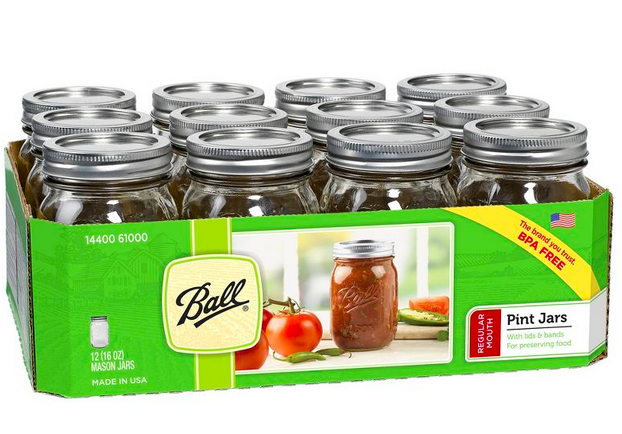
Ball Regular Mouth Pint Mason Jars 12-pack only $13.44, plus more!

0
Gemini Q4 and FY25 Financial Review

Gemini Q4 and FY25 Financial Review

0
Explained: Why gold prices remain subdued despite West Asia tensions

Explained: Why gold prices remain subdued despite West Asia tensions

0
CLARITY Act May Still Delay Despite Stablecoin Yield Deal, Galaxy’s Alex Thorn Warns

CLARITY Act May Still Delay Despite Stablecoin Yield Deal, Galaxy’s Alex Thorn Warns

0
Research suggests adults who find it easier to bond with animals than with people aren’t antisocial — they’re drawn to a form of connection where the terms are visible, the loyalty isn’t conditional, and the relationship doesn’t require them to monitor a constantly shifting set of expectations that human attachment taught them to treat as a second job

Research suggests adults who find it easier to bond with animals than with people aren’t antisocial — they’re drawn to a form of connection where the terms are visible, the loyalty isn’t conditional, and the relationship doesn’t require them to monitor a constantly shifting set of expectations that human attachment taught them to treat as a second job

0
The Interesting Lies of Samuelson: How We Naively Believed the Case of Giffen Goods

The Interesting Lies of Samuelson: How We Naively Believed the Case of Giffen Goods

March 21, 2026
Research suggests adults who find it easier to bond with animals than with people aren’t antisocial — they’re drawn to a form of connection where the terms are visible, the loyalty isn’t conditional, and the relationship doesn’t require them to monitor a constantly shifting set of expectations that human attachment taught them to treat as a second job

Research suggests adults who find it easier to bond with animals than with people aren’t antisocial — they’re drawn to a form of connection where the terms are visible, the loyalty isn’t conditional, and the relationship doesn’t require them to monitor a constantly shifting set of expectations that human attachment taught them to treat as a second job

March 21, 2026
Iran launches missiles at U.K.-U.S. base 2,500 away in the Indian Ocean

Iran launches missiles at U.K.-U.S. base 2,500 away in the Indian Ocean

March 21, 2026
CLARITY Act May Still Delay Despite Stablecoin Yield Deal, Galaxy’s Alex Thorn Warns

CLARITY Act May Still Delay Despite Stablecoin Yield Deal, Galaxy’s Alex Thorn Warns

March 21, 2026
Ball Regular Mouth Pint Mason Jars 12-pack only .44, plus more!

Ball Regular Mouth Pint Mason Jars 12-pack only $13.44, plus more!

March 21, 2026
T-Mobile, Verizon, AT&T Go All-In On Discounts As Churn Surge Hits

T-Mobile, Verizon, AT&T Go All-In On Discounts As Churn Surge Hits

March 21, 2026
FeeOnlyNews.com

Get the latest news and follow the coverage of Business & Financial News, Stock Market Updates, Analysis, and more from the trusted sources.

CATEGORIES

  • Business
  • Cryptocurrency
  • Economy
  • Financial Planning
  • Investing
  • Market Analysis
  • Markets
  • Money
  • Personal Finance
  • Startups
  • Stock Market
  • Trading

LATEST UPDATES

  • The Interesting Lies of Samuelson: How We Naively Believed the Case of Giffen Goods
  • Research suggests adults who find it easier to bond with animals than with people aren’t antisocial — they’re drawn to a form of connection where the terms are visible, the loyalty isn’t conditional, and the relationship doesn’t require them to monitor a constantly shifting set of expectations that human attachment taught them to treat as a second job
  • Iran launches missiles at U.K.-U.S. base 2,500 away in the Indian Ocean
  • Our Great Privacy Policy
  • Terms of Use, Legal Notices & Disclaimers
  • About Us
  • Contact Us

Copyright © 2022-2024 All Rights Reserved
See articles for original source and related links to external sites.

Welcome Back!

Sign In with Facebook
Sign In with Google
Sign In with Linked In
OR

Login to your account below

Forgotten Password?

Retrieve your password

Please enter your username or email address to reset your password.

Log In
No Result
View All Result
  • Home
  • Business
  • Financial Planning
  • Personal Finance
  • Investing
  • Money
  • Economy
  • Markets
  • Stocks
  • Trading

Copyright © 2022-2024 All Rights Reserved
See articles for original source and related links to external sites.